How to Choose the Best Emergency Dentist in Los Angeles CA
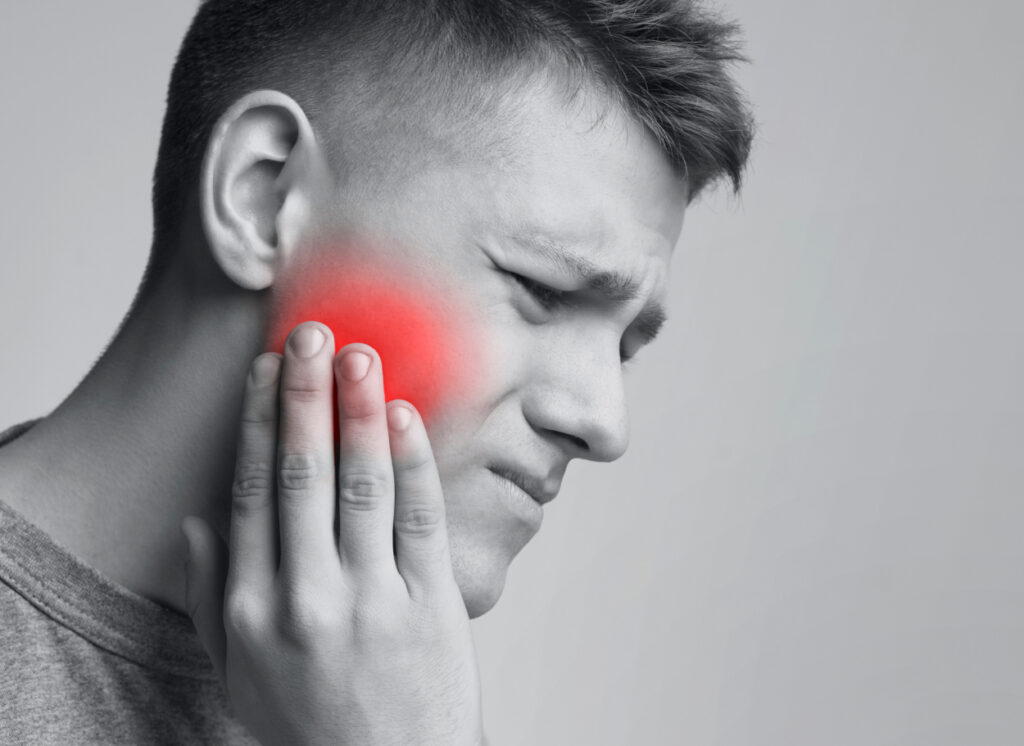
A dental emergency has a way of collapsing your priorities into a single question, fast: who can fix this, and can they see me now?
That question feels even sharper in a city like Los Angeles, where there are plenty of dental offices, plenty of traffic, and no shortage of websites promising urgent care. The trouble is that not every office advertising same-day treatment is equally prepared for a true emergency. Some are excellent at handling a lost filling or a cracked crown, but not staffed or equipped for facial swelling, trauma, or severe infection. Others answer the phone after hours, triage well, and know when a patient belongs in a hospital instead of a dental chair.
Choosing the best Emergency Dentist Los Angeles CA patients can rely on is less about flashy marketing and more about practical details: availability, judgment, equipment, communication, and clinical range. When someone is in pain, those details matter more than almost anything else.
What counts as a real dental emergency
People often hesitate because they are not sure whether their problem is serious enough. I have seen patients wait too long with symptoms that clearly needed immediate attention, usually because they thought they were overreacting. I have also seen people rush to the nearest office for problems that were uncomfortable but not truly urgent.
A genuine dental emergency usually involves one of three things: significant pain, active infection, or trauma. Severe toothache that keeps you from sleeping, swelling in the gums or face, a knocked-out tooth, uncontrolled bleeding, a broken tooth with exposed nerve tissue, or difficulty opening your mouth can all justify urgent care. An abscess deserves particular respect. When infection spreads, what begins as a tooth problem can become a medical problem.
On the other hand, a small chip with no pain, a mildly loose crown, or sensitivity that has been coming and going for weeks may still need prompt treatment, but not necessarily a midnight scramble. Good emergency dental offices are useful here because they can tell the difference over the phone and guide you appropriately.
The strongest Emergency Dentist is not the one who says yes to every case without context. It is the one who asks careful questions and tells you plainly whether you need immediate in-office care, a next-day appointment, or emergency room treatment.
Los Angeles changes the equation
Finding emergency dental care in Los Angeles is not the same as finding it in a smaller town. Geography plays a larger role. A practice might look perfect online, but if it takes 70 minutes to reach it during weekday traffic while you are holding gauze to a bleeding mouth, it is not the right choice for that moment.
Neighborhood matters more than most people realize. Someone in Santa Monica, Downtown, Pasadena, the Valley, or near LAX may technically have hundreds of options across the county, but in an emergency, your realistic radius shrinks. If a child has a broken front tooth after a sports injury, or an adult wakes up with visible facial swelling, travel time becomes part of the clinical decision.
Parking, building access, and office hours are not glamorous considerations, but they become very real when you are in pain. A great emergency dentist in Los Angeles should be reachable in a practical sense, not just searchable on a map.
Start with responsiveness, not branding
The first real test of an emergency office happens before you ever sit down. It happens when you call.
A polished website can help, but responsiveness tells you far more. Does someone answer promptly? If you call after hours, is there a clear message with instructions? Is there a live answering service or a doctor on call? Do they ask about swelling, trauma, fever, bleeding, and how long the pain has been going on? Or do they simply say, “Come in tomorrow at 3”?
That difference matters. A strong emergency office triages. The front desk does not need to diagnose you, but they should know how to escalate urgent symptoms quickly. I pay attention to whether the staff sounds calm, organized, and medically aware. Panic on the patient side is common. Panic on the office side is a bad sign.
One of the clearest indicators of quality is whether the team can explain next steps without overselling certainty. If they say something like, “Based on what you described, we should see you today for an exam and X-rays. If the swelling is affecting your breathing or swallowing, go to the ER now,” that is a good sign. It shows judgment.
Availability is more nuanced than “open late”
Many practices advertise emergency appointments, but that phrase can mean different things. Sometimes it means they reserve one or two same-day slots for existing patients. Sometimes it means they have extended evening hours. Sometimes it means they will fit you in if the schedule opens up. Those are not the same.
The best emergency provider for your situation is one who can do more than examine you. They should also be able, when appropriate, to begin treatment the same day. If you arrive with a deep cavity causing severe pain, an office that can only take an X-ray and hand you a referral may not help much. If you walk in with a fractured crown and exposed dentin, you want someone who can stabilize the tooth, not just document it.
When you are comparing offices, ask whether they can perform common emergency procedures on-site. This may include extractions, root canal treatment, recementing a crown, drainage of an abscess, or treatment of dental trauma. Not every office does all of this, and that is fine, but you should know before you commit your time.
The technology question, without getting distracted by gadgets
Patients often hear about digital imaging, 3D scans, same-day crowns, and laser dentistry. Some of that is genuinely useful in emergencies. Some of it is nice to have. The point is not to chase technology for its own sake, but to understand whether the office can diagnose quickly and accurately.
Digital X-rays are standard in many good practices and helpful because they are fast and clear. A cone beam CT can be valuable in more complex cases, especially when root structure, fractures, impacted teeth, or the spread of infection needs closer evaluation. In trauma cases, imaging quality matters. So does the dentist’s ability to interpret what they see.
Still, equipment never compensates for poor clinical judgment. I would choose an experienced emergency-focused dentist with solid diagnostic habits over a showroom office full of expensive machines and weak decision-making. The right balance is an office that combines modern imaging with practical experience and a willingness to explain findings in plain language.
Experience shows up in the details
Dental emergencies are rarely convenient, and often messy. The offices that handle them well tend to have seen a lot 8914 S Vermont Ave Emergency Dentist Los Angeles CA of real-life situations: broken molars from popcorn kernels, front teeth chipped during pickup basketball, infections that flared over a holiday weekend, crowns lost on business trips, children who bit through their lip along with the tooth injury, older adults dealing with failing dental work under existing bridges.
Experience matters because emergencies are not just about procedures. They are about prioritization. Should the dentist try to save the tooth, or is extraction more realistic? Does a patient with swelling need antibiotics now, or is drainage the more urgent intervention? Is a cracked tooth restorable, or would patching it buy only a few painful days before it breaks further?
You often hear experience in the way a dentist frames options. Instead of making broad promises, a seasoned clinician might say, “We can likely get you comfortable today. Whether we save this tooth depends on how deep the fracture goes once we evaluate it.” That kind of language is grounded, direct, and trustworthy.
Reviews help, but only if you read them properly
Online reviews can be useful, but dental emergency reviews need a different kind of reading. A five-star review praising a beautiful waiting room and friendly receptionist tells you very little about urgent clinical care. What you want are details about timing, pain relief, communication, and how complications were handled.
Look for patterns. Did multiple patients mention being seen quickly? Did they say the dentist explained options clearly under pressure? Did anyone describe after-hours help, same-day treatment, or thoughtful follow-up? A review from someone who came in with swelling, trauma, or severe pain and felt well cared for carries more weight than generic praise.
It also helps to ignore the fantasy that every excellent office has only glowing reviews. Emergency dentistry attracts stress. Even very competent practices will occasionally get criticized over cost, wait times, or treatment limitations. That does not automatically mean the office is poor. Read with judgment. A few specific, credible complaints are more informative than a suspicious flood of vague perfection.
Cost matters, especially when the problem cannot wait
No one likes discussing fees when they are hurting, but avoiding the topic usually makes a stressful day worse. Emergency dental pricing varies widely in Los Angeles depending on the office, neighborhood, complexity of the case, and what treatment is needed that day.
A reputable office should be able to explain the likely cost of the initial emergency exam and imaging before you arrive, at least in general terms. They may not know the full treatment fee until they evaluate you, which is reasonable. But they should not be evasive about the basics.
If you have insurance, ask whether the office is in-network and how emergency visits are typically billed. If you do not have insurance, ask whether they offer payment options for urgent procedures. The best office is not always the cheapest, but surprise pricing in an emergency is a red flag.
One practical point many patients overlook: getting temporary relief is not the same as solving the problem. A lower-cost office that only prescribes medication and delays definitive treatment may end up costing more, financially and physically, than an office that addresses the issue properly the first time.
A few questions worth asking before you book
When pain is high, you will not want a long interrogation. Still, a short phone call can reveal a lot.
- Can you see me today, and what symptoms would make this a same-day priority?
- What emergency services do you perform in-office, such as extractions, root canals, or treatment for broken teeth?
- Will I get X-rays and a treatment plan during the visit, and can treatment start the same day if needed?
- Do you accept my insurance, and what is the estimated fee for the emergency exam?
- If my condition is more severe than expected, do you coordinate referrals or direct patients to the ER?
Those five questions often tell you more than twenty minutes on a website.
Red flags that should make you pause
Some warning signs are subtle. Others are obvious. If an office cannot tell you whether a dentist is actually available, if no one asks about swelling or bleeding, or if the only promise they make is “we’ll get you in eventually,” keep looking. In emergency care, uncertainty around logistics becomes risk.
Another concern is pressure. If the first conversation shifts too quickly into aggressive cosmetic upselling, that is the wrong setting for urgent care. A patient with an abscess does not need to hear a pitch for whitening. A parent calling about a child’s tooth injury does not need an elective treatment package.
I also worry when offices minimize severe symptoms. Facial swelling, fever, spreading pain, bad taste from drainage, and trauma involving jaw function should trigger urgency. A casual response to those complaints is not reassuring. It suggests the team may not understand what deserves immediate action.
Special situations need the right fit
Not every emergency patient is the same, and the best choice often depends on who needs care.
Children with dental trauma usually do better in an office comfortable managing both injury and fear. A technically skilled dentist who cannot calm a frightened seven-year-old may not be the right emergency provider in that moment. Older adults often present with more complicated dental histories, including bridges, implants, anticoagulants, or medical conditions that affect treatment planning. Those cases benefit from a dentist who moves carefully and reviews medications thoroughly.
Tourists and business travelers are another Los Angeles reality. If you are from out of town, continuity matters. A good emergency office should be willing to document findings, provide images if needed, and communicate with your regular dentist back home. That is a small gesture, but it reflects professionalism.
Then there are trauma cases. If a tooth has been knocked out, minutes matter. If you can reach a dentist quickly, do it. If there is major facial injury, jaw misalignment, or concern for head trauma, the emergency room may come first. The best Emergency Dentist knows where dental care ends and broader medical care begins.
Why communication matters more than people think
Pain changes how people process information. When patients are scared, they miss details, mishear instructions, and forget what they were told as soon as they leave. The best emergency dentists understand this and communicate differently. They slow down. They repeat key points. They write instructions clearly. They tell you what to expect tonight, tomorrow, and over the next week.
That kind of communication is not just bedside manner. It is part of treatment. A patient who understands how to manage swelling, when to take medication, what foods to avoid, and which warning signs mean “call back now” is more likely to recover smoothly.
I have always believed one of the clearest marks of a good emergency clinician is this: they can make a stressed patient feel that the situation is serious, but manageable. Not trivial, not catastrophic, manageable.
A practical way to make the choice fast
When time is tight, do not try to find the perfect office in every category. Find the office that clears the most important hurdles for your specific problem.
- Choose proximity if there is bleeding, severe pain, or trauma and delay could worsen the outcome.
- Choose broader clinical capability if you suspect you will need treatment the same day, not just an exam.
- Choose stronger communication if the case involves a child, an elderly family member, or a medically complex patient.
- Choose transparent pricing if you are uninsured and need to understand the full scope before consenting.
- Choose hospital-backed care or the ER first if there is breathing trouble, significant facial swelling, fever, or suspected jaw injury.
That framework helps cut through a lot of noise.
The best emergency dentist is usually the one prepared for real life
There is a common mistake people make when looking for an Emergency Dentist Los Angeles CA practice. They assume the best option is the office with the most polished branding, the longest service menu, or the highest number of reviews. Sometimes it is. Often it is not.
The best emergency dentist is usually the one who has built their system around real problems arriving at inconvenient times. They answer the phone with urgency. They know what deserves immediate escalation. They have enough clinical range to relieve pain and start treatment, not just postpone decisions. Their staff stays composed. Their fees are explainable. Their dentist speaks plainly and does not overpromise.
If you are searching while in pain, focus on function over image. Can they see you? Can they diagnose the issue accurately? Can they treat it, or arrange the right next step without wasting precious time? Do they take your symptoms seriously?
Those are the questions that lead to good outcomes. In emergency dentistry, that is what matters most.
Simple Dental Vermont
Address: 8914 S Vermont Ave, Los Angeles, CA 90044
Phone number: +13239493000
FAQ About Emergency Dentist Los Angeles CA
What can the ER do for a tooth?
The emergency room can provide temporary symptom relief for a bad tooth, such as prescribing pain medicine or antibiotics, but it cannot fix the actual dental problem.
What is the 3-3-3 rule for tooth infection?
The 3-3-3 rule for a toothache or infection typically means taking three 200 mg ibuprofen tablets (600 mg total) three times a day for no more than three days to control pain and swelling while waiting to see a dentist.
What do you do if you have a dental emergency but no dentist?
If you have a dental emergency and no regular dentist, you should search for an urgent care dental clinic, call local walk-in dental offices, or go to a hospital emergency room if you have severe bleeding, swelling, or trouble breathing.