How Much Do Dental Crowns Cost? A Practical Guide

If you have been told you need a crown, the first question is usually not technical. It is financial. How much is this actually going to cost, and why do the numbers seem to vary so much from one office to another?
Dental Crowns sit in that awkward zone between routine care and major treatment. They are common enough that most general dentists place them every week, yet expensive enough that many patients delay treatment, compare offices, or try to get by with a filling a little longer. That hesitation is understandable. A crown is not a small purchase, especially if more than one tooth is involved.
The short answer is that a single crown in the United States often costs somewhere between $900 and $2,500 per tooth, sometimes more depending on the material, the location of the practice, and whether other procedures are needed first. That range sounds broad because it is broad. A straightforward crown on a molar in a suburban general practice is not priced the same way as a highly cosmetic front tooth crown in a major city, or a crown that follows a root canal and a build-up on a badly damaged tooth.
The more useful answer is not one number, but an understanding of what you are paying for and where the price tends to climb.
What a crown actually is
A crown is a custom-made cap that covers a damaged, weakened, worn, or heavily restored tooth. It is meant to restore shape, strength, and function. Sometimes it also improves appearance, especially on front teeth. Dentists recommend crowns for several common reasons: a tooth has a large cavity that cannot hold a filling reliably, a tooth has cracked, a root canal has left the tooth brittle, or an older restoration has failed.
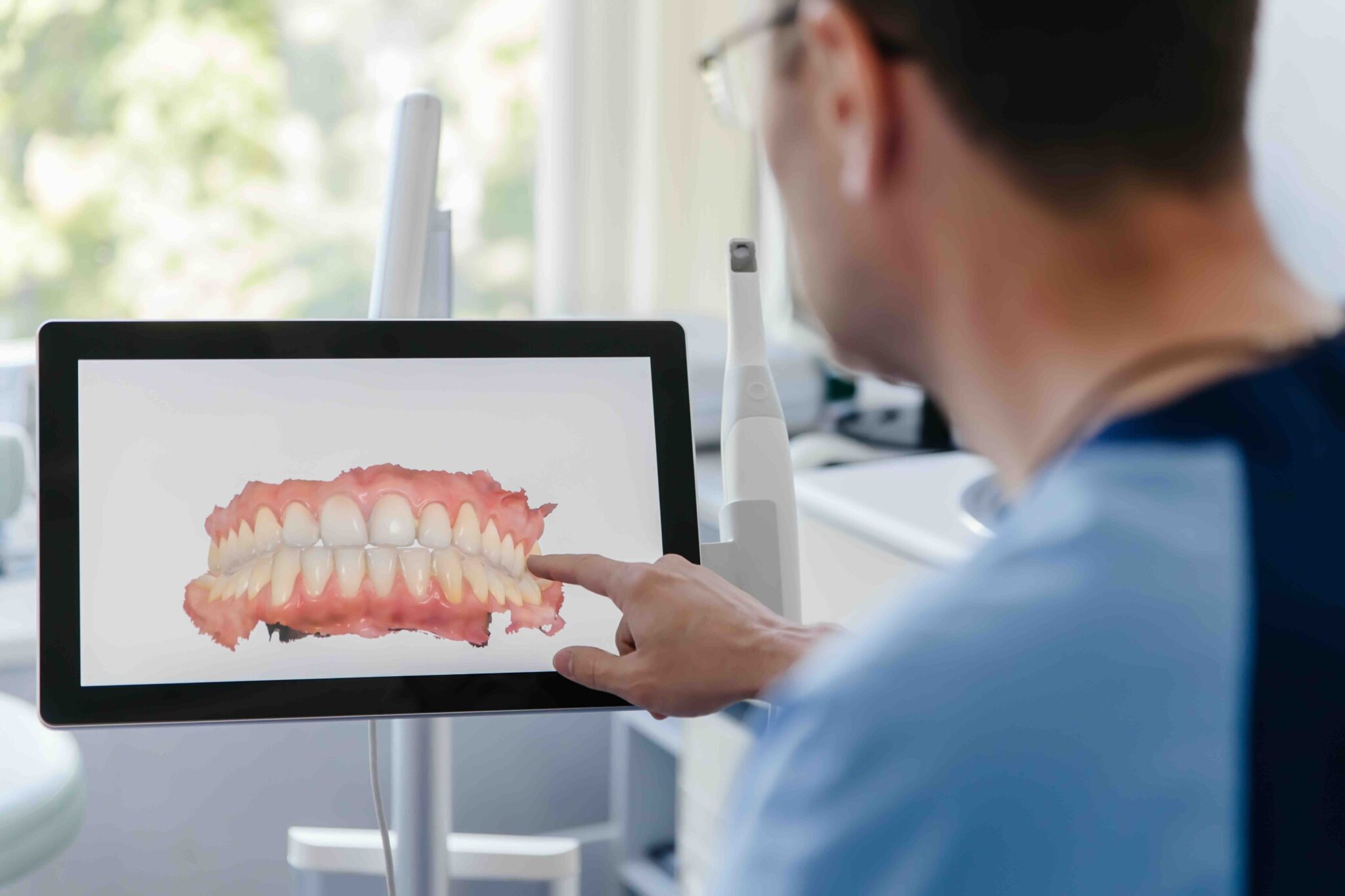
From the patient side, the crown can look like a simple fix. You sit in a chair, the dentist reshapes the tooth, takes a scan or impression, and later cements on the final crown. From the clinical side, it is more involved than that. A properly made crown depends on diagnosis, tooth preparation, bite design, gum health, lab quality, material choice, and careful fit. A cheap crown that feels high, traps food, or fails early is not really cheap.
That is why two offices can quote very different fees while both technically offer a “crown.”
A realistic cost range for Dental Crowns
In private practice, most people will encounter fees in a few rough bands.
A basic crown fee in a lower-cost area may start around $900 to $1,200. In many mid-range practices, especially in metropolitan areas, a crown often lands around $1,200 to $1,800. In higher-fee markets, cosmetic-focused practices, or offices using premium materials and in-house technology, it is not unusual to see $1,800 to $2,500 or more for one crown.
That crown fee may or may not be the full story.
A patient who hears “your crown is $1,400” may later find there is also a charge for the exam, X-rays, core build-up, replacement of an old filling, gum treatment, or a temporary crown. Some practices bundle certain items. Others bill them separately. Both models exist, and the paperwork does not always make the distinction obvious.
When patients feel blindsided by crown costs, it is often because they focused on the headline number and not the full treatment plan.
Why the price varies so much
Several moving parts affect the final fee. Some are obvious, like where you live. Others are less visible until you have spent time in dental offices and seen how differently cases are handled.
Here are the biggest variables:
- Material used: porcelain, zirconia, porcelain-fused-to-metal, gold, and other materials differ in lab cost, durability, and aesthetics.
- Location and practice overhead: fees tend to run higher in large cities and in practices with higher staffing, lab, and facility costs.
- Complexity of the tooth: a broken molar after a root canal usually takes more work than a mildly worn premolar.
- Lab quality and technology: a high-end custom lab or same-day CAD/CAM setup can raise the fee.
- Related procedures: build-ups, root canals, gum treatment, or a post can add significantly to the total.
Each of those deserves a closer look, because they are not just pricing quirks. They affect how long the restoration may last and whether the treatment is even appropriate.
Material matters, but not always in the way people expect
Patients often assume there is one standard kind of crown. In reality, several materials are widely used, each with trade-offs.
All-porcelain or ceramic crowns are often chosen for visible front teeth because they can look very natural. The translucency can mimic enamel in a way that matters when someone smiles or speaks. These can cost more, especially if the shade match needs extra care.
Zirconia crowns have become extremely common. They are strong, versatile, and often a good option for back teeth that take heavy biting forces. They can also be used in Simple Dental Vermont Dental Crowns visible areas, though the exact appearance depends on the type of zirconia and the lab’s work. In many practices, zirconia has become the practical default for molars.
Porcelain-fused-to-metal crowns were once the standard. They still have a place in some cases, but they are less fashionable now than they were years ago. They can be durable, though the metal edge may eventually show at the gumline, which some patients dislike.
Gold or high noble metal crowns remain excellent from a functional standpoint. Dentists who have practiced long enough have seen gold crowns last decades. Patients often reject them for cosmetic reasons, not because they perform poorly. The fee can vary with metal prices, and for some cases they end up costing as much as or more than tooth-colored options.
What matters is not that one material is universally best. It is that the material should suit the tooth, your bite, your habits, and your cosmetic expectations. A strong, slightly opaque material can be ideal on a back molar and a poor choice for a front tooth with delicate esthetic demands.
The crown fee is often not the total treatment fee
This is one of the most important distinctions to understand before saying yes to treatment.
A tooth that needs a crown may also need a core build-up, which is material placed to rebuild lost tooth structure so the crown has something solid to hold onto. Build-ups are common when a tooth has a large old filling, decay under an existing restoration, or a piece broken off.
If the nerve is infected or damaged, the tooth may need a root canal before the crown. That can add several hundred dollars to well over a thousand, depending on the tooth and whether a specialist performs it. Molars tend to cost more than front teeth because they are harder to treat.
Some root canal treated teeth need a post inside the root for added retention. Some need gum treatment first. Some cracked teeth are not ideal crown candidates at all, and the tooth may ultimately need extraction and an implant instead. That is a much more expensive path.
A simple way to think about it is this: the crown is the visible final restoration, but the tooth often needs foundation work before the final cap goes on.
Same-day crowns versus lab-made crowns
Many patients now hear about same-day crowns and assume they should cost less because there is no second appointment. Sometimes they do. Sometimes they do not.
A same-day crown usually involves digital scanning, software design, in-office milling, and bonding or cementation on the same visit. The convenience is real. There is no temporary crown to wear for two weeks, and no return trip for placement.
But same-day systems are expensive for practices to buy and maintain, and they require training and time. Some offices pass on that cost. Others market same-day crowns as a premium service. In other words, convenience does not automatically lower the fee.
Traditional lab-made crowns require an impression or digital scan, a temporary crown, and a dental lab that fabricates the final piece. Lab quality varies widely. A good lab technician can make a meaningful difference in contour, contacts, and esthetics, especially for visible teeth.
The best option often depends less on whether the crown is same-day and more on the specifics of the case. A straightforward molar may be a very good same-day candidate. A demanding front tooth with tricky esthetics may benefit from a skilled lab’s handwork.
Insurance can help, but usually not as much as people hope
Dental insurance is often the most confusing part of the conversation. Many plans classify crowns as a major service and cover around 50 percent, but that figure comes with fine print.
First, coverage is usually based on the insurer’s allowed amount, not the dentist’s actual fee. If your dentist charges $1,500 and the insurance company’s allowed amount is $1,000, the plan may pay 50 percent of $1,000, not 50 percent of $1,500.
Second, there is often a waiting period for major services, particularly on newly purchased plans.
Third, many plans have annual maximums, commonly in the range of $1,000 to $2,000. Those maximums disappear quickly if you need more than one crown, or if a root canal is also involved. Dental benefits have not kept pace with real treatment costs, and crown cases expose that gap fast.
Fourth, insurance may deny a crown if it does not meet their criteria. For example, a plan may want proof that enough tooth structure is missing, or they may downgrade coverage to a large filling in certain situations. That does not always mean the dentist is wrong. It may simply mean the insurer’s rules are narrow.
Patients are often surprised to learn that “covered” does not mean “paid in full,” or even “mostly paid.” On a crown, the out-of-pocket portion can still be several hundred to over a thousand dollars even with decent benefits.
Geographic differences are real
Dentistry is local. A crown fee in rural areas or lower-cost regions can be dramatically different from the fee in Boston, Seattle, Los Angeles, or Manhattan. Rent, staff wages, lab bills, and malpractice costs all feed into pricing.
That does not mean a higher-fee office is overcharging, or a lower-fee office is cutting corners. Sometimes higher fees reflect expensive overhead in a dense urban market. Sometimes they reflect advanced technology, longer appointment times, or a high-end lab. Sometimes they are simply the local norm.
On the other side, a low quote is not automatically a bargain. If the crown margin is poor or the bite is off, saving a few hundred dollars up front can lead to replacement costs later. Dentistry has plenty of procedures that look acceptable on day one and fail after a few years.
What tends to push crown costs upward
Certain case details almost always increase the total bill.
A front tooth usually demands more attention to color, translucency, and shape. Matching one central incisor so it does not stand out in photos is far more challenging than restoring a second molar no one sees. Cosmetic demands increase chair time and lab skill.
A tooth that has broken close to the gumline can be difficult to restore. The dentist may need to carefully expose more structure, rebuild the core, and create enough retention for the crown to stay in place. If there is not enough sound tooth left, the conversation may shift from crown to extraction and implant.
Patients who grind or clench may need a night guard to protect the new restoration. That is another cost, though sometimes a worthwhile one. A beautifully made crown can chip or debond under heavy parafunctional forces.
Then there are retreatment cases. Replacing a failing crown is often less simple than it sounds. Old cement, hidden decay, cracked tooth structure, and inflamed gums can all turn a replacement into a more complex procedure.
The cheapest crown is not always the least expensive option
This is worth pausing on, because it runs against the instinct to shop by price alone.
A crown that costs less but lasts fifteen years is often a better value than a bargain crown that fails in four. Likewise, a dentist who spends time explaining prognosis, bite forces, and alternatives may save you money by helping you avoid treatment on a tooth with a questionable future.
Sometimes the smartest financial decision is not to do the crown immediately, but to confirm the tooth is restorable, understand the full plan, and avoid sinking money into a tooth that may split anyway.
That is not a cynical view. It is a practical one. Crowns work very well when the underlying tooth is sound enough to support them. They are less predictable when placed on teeth that are already near the Dental Crowns end of their useful life.
What to ask before you agree
Most people do not need a lecture on materials science. They need clear, plain answers about what they are buying and what could change the cost.
Ask these questions before treatment begins:
- What is the total estimated cost, including exam, X-rays, build-up, temporary crown, and cementation?
- What material are you recommending, and why for this tooth?
- Does the tooth need a root canal, post, or build-up first?
- What will my insurance likely cover, and what is my estimated out-of-pocket amount?
- What happens if you find more decay or a crack after starting?
Those questions often reveal whether the quote is genuinely comprehensive or just a starting number. They also show whether the dentist has thought through the long-term outlook of the tooth.
When a filling might be enough, and when it usually is not
Patients sometimes ask whether they can avoid a crown and do a large filling instead. Sometimes yes. Sometimes that is false economy.
A tooth with a modest fracture or medium-sized cavity may do well with a filling or an onlay. But once a tooth has lost substantial structure, especially the cusps on a back tooth, a filling may act more like a temporary patch than a durable restoration. The remaining enamel walls flex under chewing forces. Cracks deepen. Pieces break off. What might have been a manageable crown case becomes a root canal and crown case, or worse.
There is a judgment call here. Good dentists do not crown every heavily filled tooth automatically. They assess how much structure is left, where the stress falls, whether the tooth is already cracked, and how much risk the patient is willing to tolerate. The recommendation should feel specific, not canned.
How long crowns last, and why that matters to cost
A well-made crown can last a long time, often 10 to 15 years and sometimes much longer. Plenty of crowns fail earlier than that, and plenty outlive the textbook averages. The lifespan depends on fit, material, hygiene, diet, bite forces, grinding habits, and simple luck.
The crown itself is only part of the story. The tooth under it can still get decay at the margin, especially if plaque builds up around the gumline. Cement can wash out. The tooth can crack beneath the crown. Gum recession can expose edges that were once hidden.
This matters financially because replacing a crown is rarely cheaper than maintaining one. Good home care, regular cleanings, and dealing with clenching can protect your investment as much as the dentist’s initial work.
Are dental schools or discount clinics worth considering?
For some patients, yes.
Dental schools often offer lower fees because treatment is done by students or residents under supervision. That can be a good option if cost is the main barrier and you have flexibility with time. Appointments are usually longer, and scheduling can be slower, but the oversight is structured and thorough.
Community clinics and corporate chains may also offer more accessible pricing. Some do competent work. Some rely on volume and may feel rushed. The experience can vary more than the advertising suggests. If you go this route, it helps to ask exactly what is included in the crown fee and who handles complications if the crown needs adjustment.
A private office with payment plans can sometimes end up being the more manageable option, even if the sticker price is higher, because follow-up care and continuity are better.
When the quote seems too high, or too low
If a crown estimate feels out of line, get a second opinion, especially if major additional treatment is involved. Second opinions are useful when a tooth has a borderline prognosis, when cosmetic demands are high, or when you are being told you need several crowns at once.
That said, second opinions should be used thoughtfully. Different dentists may propose different solutions for the same tooth, not because one is dishonest, but because clinical judgment varies. One dentist may favor a crown, another an onlay, another extraction if the crack pattern looks ominous. The goal is not to find the lowest answer. It is to understand the reasoning.
If a fee seems unusually low, it is fair to ask about the material, lab, warranty, and whether all related procedures are included. If a fee seems unusually high, ask what accounts for the difference. Sometimes the explanation is convincing. Sometimes it is mostly branding.
The practical way to budget for Dental Crowns
If you already know you need a crown, the least stressful approach is to separate the decision into three parts.
First, find out whether the tooth is straightforward or complex. A simple crown on a healthy tooth is easier to budget for. A cracked, root canal treated tooth with little remaining structure is inherently less predictable.
Second, get the total written estimate, not just the crown fee. A printed treatment plan should spell out build-ups, endodontic treatment, and any expected lab or imaging charges.
Third, ask about timing. Sometimes treatment can be phased. If you need more than one crown, the dentist may help prioritize the tooth at highest risk of fracture or infection and postpone less urgent work.
Patients usually feel more in control once the numbers are broken down into something concrete. A single molar crown might end up being a manageable out-of-pocket expense after insurance. A front tooth with cosmetic customization and a build-up may cost much more, but at least the reasons are visible.
The crown itself is not just a cap. It is a custom restoration built on a diagnosis, a plan, and the condition of the tooth underneath. That is why the price range is wide, and why the smartest question is not only “How much?” but also “What exactly am I paying for, and how predictable is this tooth over time?”
If you can get clear answers to those two questions, the estimate starts to make sense. And when it makes sense, it is much easier to decide whether the treatment is worth doing now, worth phasing, or worth getting another opinion on before you commit.
Simple Dental Vermont
Address: 8914 S Vermont Ave, Los Angeles, CA 90044
Phone number: +13239493000
FAQ About Dental Crowns
How much do crowns cost per tooth?
In the United States, a single dental crown typically costs between $800 and $2,500 per tooth without insurance. The ultimate out-of-pocket price depends heavily on the crown material, the location of the tooth, and whether you have dental insurance coverage.
What is the downside of crowns on teeth?
The primary downside of a dental crown is that the procedure permanently removes natural tooth enamel to shape the tooth for the cap.
Why do dentists push for crowns?
Dentists recommend crowns because a large filling cannot provide enough strength when a tooth loses a major portion of its structure or faces heavy chewing pressure.