How Dental Crowns in Los Angeles CA Blend Beauty and Function
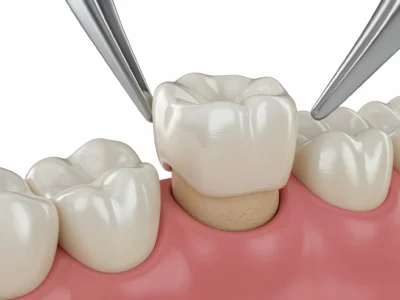
A well-made dental crown does two jobs at once. It protects a tooth that can no longer stand up to daily chewing on its own, and it restores a smile so the repair does not announce itself every time someone talks or laughs. That balance between strength and appearance is what makes crowns such a central part of modern restorative dentistry, especially in a city like Los Angeles, where people often care deeply about both long-term oral health and how their teeth look in person, on camera, and in photographs.
When patients ask about Dental Crowns Los Angeles CA, the conversation usually starts with one concern and ends somewhere broader. A person may come in because a molar cracked on popcorn, or because an old silver filling finally gave out, or because a front tooth darkened after trauma years ago. Once the exam begins, the real question becomes less about whether a crown is a “cosmetic” or “functional” treatment and more about how those two goals depend on each other. A crown that looks beautiful but chips quickly has failed. A crown that lasts but looks opaque, bulky, or off-color has also missed the mark.
That is why crown treatment, when done well, is never just about placing a cap over a tooth. It involves diagnosis, bite analysis, material selection, shade matching, preparation design, and a clear sense of what the patient needs from that tooth every single day.
Why crowns matter more than people think
Many people picture a crown as a last resort before extraction. In practice, it is often the treatment that prevents extraction. Teeth weaken for predictable reasons. Large fillings remove healthy structure. Decay hollows the tooth from within. Root canal treatment can leave a tooth more brittle, especially if much of the original tooth has already been lost. Grinding and clenching create fine cracks that gradually become major fractures. Over time, a tooth reaches a point where a simple filling no longer offers enough support.
At that stage, a crown acts like a custom-fitted shell that redistributes biting forces and protects what remains. It does not turn a damaged tooth into a brand-new natural tooth, and any dentist who suggests otherwise is overselling. What it can do is give that tooth a much better chance of staying comfortable and functional for years.
In Los Angeles practices, this need shows up across every age group. Younger adults may need crowns after sports injuries or failed bonding. Middle-aged patients often have older dental work that has reached the end of its life. Older adults may be dealing with worn enamel, cracked cusps, and decades of bite stress. The reasons differ, but the principle is the same. A crown is often the treatment that keeps a compromised tooth useful.
Beauty is not an afterthought
A crown is a structural restoration, but patients experience it visually first. They look in the mirror. They smile. They compare it to the neighboring teeth. If the crown is on a front tooth, they may scrutinize how it reflects light, whether it looks flat, and whether the gumline appears natural. If the crown is on a premolar that shows when they laugh, they may care almost as much.
This is where modern materials and laboratory techniques have changed the patient experience. Older crowns, particularly porcelain fused to metal designs, could be reliable but sometimes created a gray shadow at the gumline or an opacity that stood out in certain light. Many are still in service and still doing acceptable work, but the aesthetic standard has risen. Patients now expect restorations that disappear into the smile.
That expectation is reasonable, but it requires judgment. A highly translucent material may look gorgeous on a front tooth with light biting forces. The same material may not be the best choice on a heavy-chewing molar in a patient who grinds. Good dentistry is full of these trade-offs. The best crown is not the one with the prettiest brochure photo. It is the one whose material and design match the location in the mouth, the condition of the tooth, the patient’s habits, and the visual demands of the case.
What dentists are really evaluating before recommending a crown
When a dentist recommends a crown, the decision should come from more than “that filling is large.” The examination often includes details patients never see but absolutely benefit from.
The amount of remaining tooth structure matters. So does whether the crack extends below the gumline. Bite forces matter a great deal. A person who clenches during stressful workdays and grinds at night puts restorations through a very different test than someone with a lighter bite. Gum health matters too, because inflamed or receding gums can compromise both appearance and longevity.
For front teeth, the dentist also has to think about facial symmetry, lip line, and the way light passes through natural enamel. A central incisor is unforgiving. Half a shade too bright, and it can look artificial. Slightly too square, and it changes the personality of the smile. These are not tiny cosmetic details. They are part of whether the restoration feels believable and comfortable to the patient.
For back teeth, the emphasis often shifts toward force management. A molar crown has to handle repeated compressive stress, fit into the bite with precision, and allow floss to pass properly without trapping food. When these details are off, patients notice. They may describe the crown as “too high,” “weird to chew on,” or “always catching floss.” Those complaints are not minor. They often point to adjustment or contour issues that affect long-term success.
Common situations where a crown makes sense
There is no single checklist that covers every case, but crowns are often considered in a few recurring scenarios:
- A tooth has a very large filling and not enough remaining structure to support another filling.
- A tooth has fractured, especially when a cusp or wall has broken away.
- A root canal treated tooth needs reinforcement, particularly in the back of the mouth.
- A tooth is severely worn down from grinding, acid erosion, or long-term bite imbalance.
- A front tooth needs major shape or color correction that bonding alone cannot predictably provide.
Not every cracked or restored tooth needs a crown immediately. Sometimes a conservative onlay or a carefully placed filling is enough. Sometimes a tooth is already too compromised for a crown to be a wise investment, especially if the crack runs too deep. This is why the best treatment plans are case-specific, not one-size-fits-all.
Material choices shape both strength and appearance
Patients often hear terms like zirconia, ceramic, porcelain, or E-max and assume one material is simply “better” than another. It is more accurate to say each material has strengths, limits, and best-use situations.
Zirconia has become popular because it is strong and versatile. In many posterior cases, especially for molars that absorb heavy chewing pressure, zirconia offers durability that dentists value. Newer versions can also look more natural than earlier generations, which were sometimes criticized for being too opaque. Still, appearance varies depending on the specific zirconia used and how the crown is designed and finished.
Lithium disilicate, commonly known by a brand name many patients recognize, is prized for its aesthetics. It can mimic natural enamel beautifully, which makes it a common choice for visible teeth when conditions are right. But material selection must respect bite forces. A patient with significant grinding may need a different plan, or at least a very candid discussion about risk.
Porcelain fused to metal crowns still have a role in some situations, though they are used less frequently than before in highly aesthetic areas. They can be practical and durable, but they are not usually the first choice for someone seeking the most natural optical effect at the front of the mouth.
Resin-based temporary crowns serve a different purpose entirely. They protect the prepared tooth between appointments and give both dentist and patient a preview of shape, length, and function. In cosmetic cases, the temporary phase can be surprisingly important. It lets the patient live with the proposed changes and give feedback before the final crown is made.
Los Angeles patients often want natural, not obvious
Cosmetic expectations in Los Angeles can be high, but that does not always mean people want ultra-white, perfectly uniform teeth. In fact, many of the happiest crown patients want the opposite. They want the new tooth to disappear. They want it to look like it belongs with their face, skin tone, age, and neighboring teeth.
A front crown that is too bright can be just as noticeable as one that is too dark. A crown that lacks subtle surface texture may reflect light differently from the natural teeth beside it. Even the edge translucency matters in certain smiles. These are the details a skilled dentist and lab technician consider when trying to make a restoration look convincing rather than manufactured.
I have seen patients arrive worried because they had one old crown that always looked “fake” in photos. Often the issue was not dramatic. The shape was slightly too wide, or the value was just a bit too high, or the gumline contour was off. Small mismatches become obvious because the eye is very good at spotting asymmetry in front teeth. Correcting that kind of problem requires patience more than gimmicks.
The process is part engineering, part artistry
A crown appointment may feel straightforward from the chair, but it involves a surprising amount of precision. The tooth must be reduced enough to create room for the material without over-cutting healthy structure. Margins need to be smooth and readable so the lab can fabricate a restoration that fits cleanly at the edge. Impressions or digital scans must capture detail accurately. Then the bite has to be recorded in a way that reflects how the patient actually functions, not just how the teeth touch in one moment.
If the tooth is visible when smiling, photographs and shade communication become especially important. Dentists often use detailed shade tabs, custom notes, and images to show the ceramist exactly what they are trying to match. For difficult front-tooth cases, this communication can make the difference between a crown that blends beautifully and one that requires remake after remake.
Then comes the seat date, the part patients usually care most about. Fit, contact, bite, shade, surface texture, and polish all need to be right. A crown can look perfect in the hand and still feel wrong in the mouth if the bite is off by a fraction. That is why careful adjustment matters.
Why bite matters as much as color
A crown that is slightly too high can make a patient miserable. They may feel as if that tooth hits first every time they close. Sometimes it causes sensitivity when chewing. Sometimes it produces jaw fatigue or makes the person avoid chewing on that side altogether. In heavy grinders, a high spot can also shorten the life of the crown or stress the underlying tooth.
On the other hand, a crown that is under-contoured or not contacting correctly can create a different set of problems. Food packs between teeth. Floss shreds. The gum becomes irritated. The patient starts saying, “Something doesn’t feel right,” even if they cannot describe it precisely.
This is one reason a crown is not simply a cosmetic shell. It is a working part of the bite. It must cooperate with the opposing teeth, neighboring teeth, jaw joints, and chewing muscles. When a dentist evaluates Dental Crowns Los Angeles CA, especially in patients with a history of clenching, orthodontics, or smile makeovers, this functional piece cannot be ignored.
The role of digital dentistry, without overpromising
Digital scanning and same-day milling have improved efficiency and patient comfort in many practices. Scans are often easier for patients than traditional impression material, especially those with a strong gag reflex. Digital workflows can also streamline crown design and fabrication.
That said, technology does not erase the need for clinical judgment. A beautiful scanner image does not decide whether the tooth should be crowned in the first place. A milling machine does not understand facial harmony. Same-day crowns can be excellent in the right hands and for the right cases, but not every case is best handled in a single visit. Complex aesthetic work, multiple anterior crowns, or situations involving uncertain bite changes may still benefit from a more layered process with provisionalization and lab collaboration.
Patients sometimes assume newer automatically means better. In reality, better means appropriate. Good dentistry uses technology where it helps and relies on experience where nuance matters.
Crowns and gum health are closely linked
One of the more misunderstood aspects of crowns is their relationship with the gums. Patients often focus on the visible tooth portion, but the crown margin, the place where the restoration meets the tooth, sits near gum tissue that reacts to contour, fit, and hygiene. If that margin is poorly placed, rough, overbulked, or difficult to clean, the gums may stay inflamed.
When a crown is shaped properly, floss should pass with a little resistance, not snap through a food trap and not shred against a rough edge. The gum around it should look calm, not puffy or red week after week. If simpledentalca.com Dental Crowns Los Angeles CA the tissue never settles, the dentist should investigate rather than dismiss the complaint.
In highly aesthetic cases, gum symmetry becomes part of the visual result. Two central incisors can be the same color and shape, but if one gumline sits higher or looks chronically irritated, the restoration will still stand out. This is another place where beauty and function overlap. Healthy tissue is not just biologically important, it is visually important too.
What longevity really looks like
Patients often ask how long a crown lasts. There is no honest single-number answer. Some crowns serve well for well over a decade. Others need replacement sooner because of decay at the margin, fracture, bite stress, gum changes, or issues with the tooth underneath. Longevity depends on material choice, preparation quality, oral hygiene, diet, clenching habits, and whether the diagnosis was sound to begin with.
A crown on a patient who chews ice, skips cleanings, and grinds nightly without a night guard lives a harder life than a crown on a patient with stable habits and regular maintenance. The restoration can only do so much. Dentistry works best when patient and provider each handle their side of the job.
There is also the matter of the underlying tooth. A crown protects a compromised tooth, but it does not make that tooth invulnerable. Recurrent decay can still develop if plaque collects around the margins. Root fractures can still occur in certain weakened teeth. This is why reputable dentists explain crowns as strong restorations, not permanent guarantees.
Living with a new crown
Most patients adapt to a crown quickly. A little tenderness around the gums for a short period is common. Awareness of a new bite surface is also common, especially when the old tooth had been broken or worn for some time. The mouth is remarkably sensitive, and even a correctly fitted crown can feel “different” before it feels normal.
There are a few practical habits that help restorations last and feel comfortable:
- Brush along the gumline carefully and floss daily, especially where the crown meets the natural tooth.
- Avoid using crowned teeth as tools for opening packages or biting nails.
- If you clench or grind, ask about a custom night guard rather than hoping the crown will simply tolerate the stress.
- Return for adjustments if the bite feels high or chewing remains awkward after the initial settling period.
- Keep regular exams so small margin issues or gum inflammation can be caught early.
These are basic steps, but they matter. Many crown failures do not begin with dramatic breakage. They begin quietly, with plaque retention, bite overload, or minor recurrent decay that grows unnoticed.
When a crown is not the best answer
A thoughtful article on crowns should say plainly that not every damaged tooth should be crowned. If decay extends too far below the gumline, crown lengthening or another intervention may be needed first, and sometimes the tooth is simply not restorable. If the crack pattern is suspicious for a vertical root fracture, placing a crown may only delay the inevitable while adding cost. If a small defect can be treated predictably with bonding or an onlay, a full crown may remove more tooth structure than necessary.
There are also cosmetic cases where patients request a crown for a minor issue that could be handled more conservatively with whitening, orthodontic movement, contouring, or veneer treatment. Ethical treatment planning means not reaching for the same tool every time.
That restraint matters in Los Angeles, where patients are often presented with many options and a wide range of marketing claims. A strong recommendation should be based on what the tooth needs, not on what sounds most dramatic or profitable.
Choosing a provider for Dental Crowns Los Angeles CA
The best crown results usually come from a mix of technical skill, communication, and restraint. Patients benefit from asking how the dentist approaches material selection, what happens if bite adjustments are needed, how shade matching is handled for visible teeth, and whether the practice sees many cases like theirs. A dentist who explains trade-offs clearly is often more trustworthy than one who promises perfection in every scenario.
For visible front teeth, it can be especially worthwhile to ask whether the office collaborates closely with a skilled lab and whether provisional crowns are used to refine shape before the final restoration. For heavy grinders or complex bite cases, ask how force management is addressed. Sometimes the difference between a crown that lasts and one that repeatedly chips comes down to whether those bite issues were considered from the start.
Patients should also notice how the office discusses alternatives. If every consultation leads to the same treatment recommendation regardless of the problem, that is not a good sign. Dentistry is too nuanced for canned answers.
Where beauty and function truly meet
A successful crown does not call attention to itself. It lets a patient chew comfortably, smile without hesitation, and stop thinking about a tooth that once felt fragile, unattractive, or unreliable. That is the real achievement. Not just a polished ceramic surface, but a restoration that fits daily life.
The phrase Dental Crowns Los Angeles CA can sound like a simple search term, but behind it is a treatment that sits at the intersection of biomechanics, aesthetics, and patient confidence. A crown has to survive the force of chewing, match the individuality of natural teeth, respect the gums, and feel right in the bite. Any one of those goals by itself is manageable. Doing all of them together is where skill shows.
For patients, the practical takeaway is straightforward. If a dentist recommends a crown, ask why this tooth needs that level of support, what material fits your bite and smile, and what the realistic lifespan and maintenance will be. Those are the questions that separate a routine procedure from a well-planned restoration. And when the planning is done carefully, a crown can be one of the most satisfying treatments in dentistry, because it restores both what the tooth does and how it belongs in the smile.
Simple Dental Vermont
Address: 8914 S Vermont Ave, Los Angeles, CA 90044
Phone number: +13239493000
FAQ About Dental Crowns Los Angeles CA
How much do crowns cost per tooth?
In the United States, a single dental crown typically costs between $800 and $2,500 per tooth without insurance. The ultimate out-of-pocket price depends heavily on the crown material, the location of the tooth, and whether you have dental insurance coverage.
What is the downside of crowns on teeth?
The primary downside of a dental crown is that the procedure permanently removes natural tooth enamel to shape the tooth for the cap.
Why do dentists push for crowns?
Dentists recommend crowns because a large filling cannot provide enough strength when a tooth loses a major portion of its structure or faces heavy chewing pressure.