Emergency Dentist Services for Athletes in Los Angeles CA

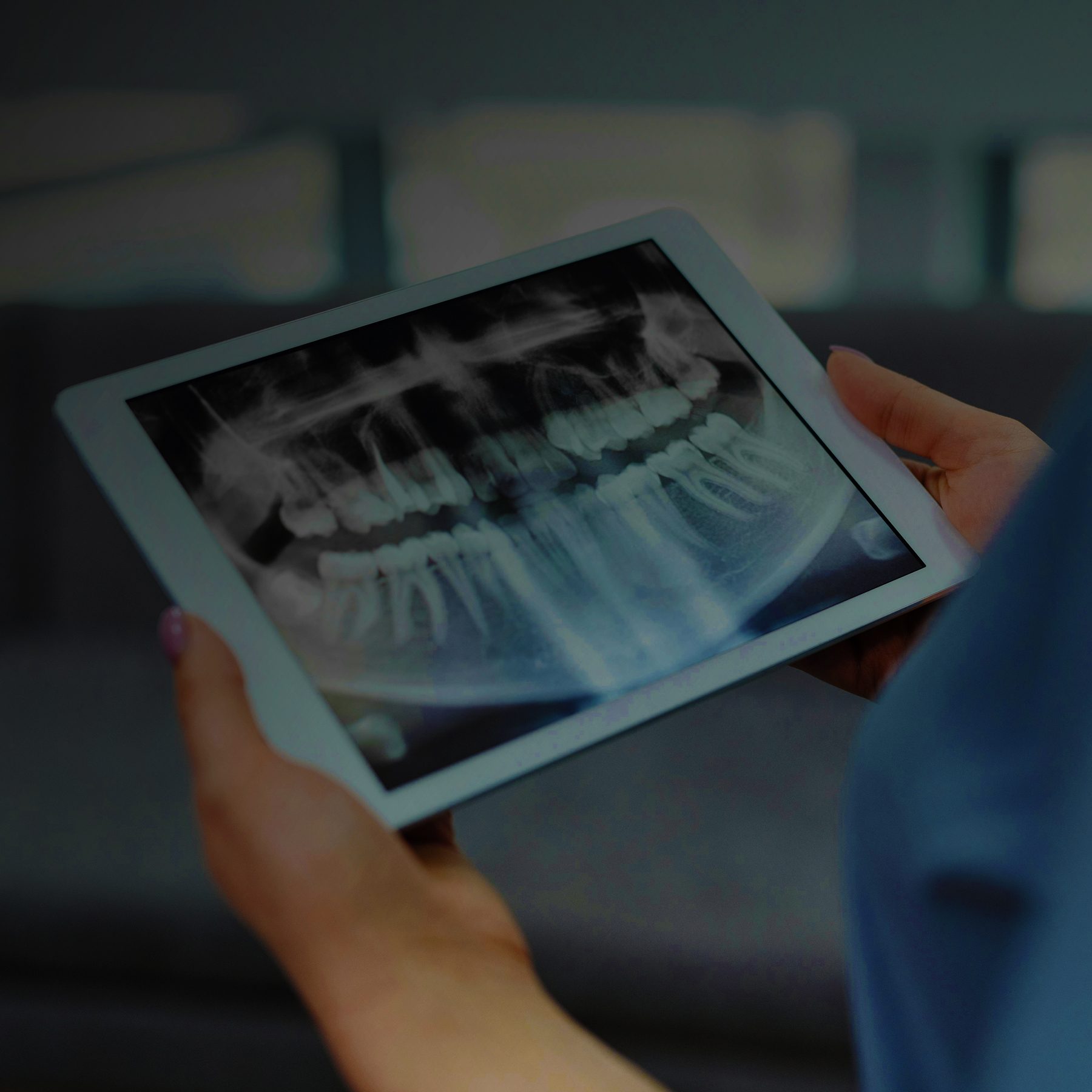
Athletes ask a lot of their bodies, and their teeth often get pulled into the bargain. A sharp elbow under the basket, a collision at second base, a bike crash on a canyon road, a surfboard to the mouth in heavy water, a bad landing in the gym, all of these can turn an ordinary training day into a true dental emergency. In Los Angeles, where organized youth sports, college athletics, recreational leagues, private training, and professional competition all overlap, dental injuries are not rare side stories. They are part of the landscape.
For athletes, timing matters as much as treatment. A chipped front tooth before a televised event feels urgent for obvious cosmetic reasons, but a cracked molar before a tournament can be just as serious if biting pressure triggers pain or exposes the nerve. A tooth that gets knocked loose during a game may still be saved, but only if the response is fast and informed. That is where an experienced Emergency Dentist becomes essential.
Los Angeles brings its own challenges. Traffic can turn a ten mile trip into a major delay. Practices vary widely in after-hours availability. Athletes may be moving between school, training facility, competition venue, and home, often while coaches, trainers, and parents try to coordinate care under pressure. The ideal dental response is not just clinically sound. It is efficient, calm, and practical.
Why athletes face unique dental risks
Sports dentistry is not only about obvious impact injuries. Yes, contact sports create the most dramatic cases, but many urgent problems come from repetitive stress, dehydration, jaw clenching, and delayed treatment of small damage. I have seen situations where a player finished a match with what seemed like a minor chip, only to wake up overnight with deep throbbing pain because the crack extended farther than anyone realized.
Basketball, soccer, baseball, football, hockey, martial arts, skateboarding, cycling, gymnastics, and surfing all carry different patterns of dental trauma. A baseball or softball often causes concentrated impact to one or two teeth. In basketball and soccer, the injury may involve lip lacerations, tooth displacement, and jaw soreness from face-to-face collisions. Cyclists and skateboarders are more likely to present with multiple chipped teeth, scrapes, and possible jaw injury after a fall. Boxers and martial artists may not lose a tooth, but they often deal with loosened teeth, bruised ligaments, or restorations that break under force.
There is also the wear-and-tear side of athletics. Endurance athletes commonly report dry mouth during heavy training. That matters because saliva protects enamel, buffers acids, and helps limit decay. Sports drinks, energy gels, and frequent acidic beverages add another layer of risk. A runner or cyclist who sips sweetened fuel over hours can create a perfect setting for enamel erosion and decay, even with otherwise good habits. The result may not show up as a sudden trauma, but it can still become an emergency when a weakened tooth fractures mid-season.
What counts as a dental emergency in sports
Not every mouth injury requires a midnight visit, but many deserve same-day attention. The distinction matters because the first few hours can shape the final outcome.
A true sports-related dental emergency often involves one of the following:
- A tooth that is knocked out, loosened, pushed out of position, or driven upward into the gums
- Significant pain, swelling, bleeding, or visible fracture of a tooth
- A broken crown, veneer, filling, or orthodontic appliance causing pain or sharp injury
- A cut lip, tongue, or gum that does not stop bleeding promptly
- Difficulty closing the bite normally, or suspicion of jaw injury after impact
There is judgment involved. A small chip without pain may wait a short time, though an athlete with an upcoming public appearance may still want immediate repair. A tooth that feels merely “off” after a hit may actually have ligament damage or a root fracture that is not obvious in a mirror. That is one reason experienced evaluation matters. Dental trauma can hide beneath a relatively clean-looking surface.
The first thirty minutes after impact
The early response can make the difference between saving and losing a tooth. That is not drama, just physiology. When a permanent tooth is avulsed, meaning completely knocked out, the cells on the root surface begin to deteriorate once the tooth dries out. A rapid, calm response preserves options.
If a permanent tooth comes out, handle it by the crown, not the root. If it is dirty, a brief gentle rinse with milk or saline is reasonable. Scrubbing is not. If the athlete is alert and able, the tooth can sometimes be placed back into the socket right away. If that is not feasible, keeping it moist in milk, saline, or an emergency tooth preservation kit is far better than wrapping it in tissue. Plain water is less ideal for storage, though it may be used briefly if nothing else is available. Then call an Emergency Dentist Los Angeles CA office immediately.
For fractures, rinsing the mouth, controlling bleeding with clean gauze, and using a cold compress on the outside of the face are sensible first steps. If a piece of the tooth is recovered, bring it. Sometimes the fragment can help with repair decisions. Over-the-counter pain relief may help, but athletes should avoid biting hard on the injured side and should not assume the pain level matches the severity of damage. I have seen teeth with exposed nerve tissue cause intense pain instantly, and I have seen more severe root injuries that stayed strangely quiet for hours.
What an emergency dental visit looks like for an athlete
Athletes and parents often expect the appointment to revolve around whether the tooth can be “fixed today.” That is understandable, but the real first task is diagnosis. In sports trauma, the visible damage may be only part of the story. A dentist will usually evaluate the soft tissues, check whether the bite still aligns, test tooth mobility, inspect existing restorations, and take imaging when appropriate. Sometimes the final plan can be completed the same day. Other times the first visit is about stabilization, pain control, and preserving the best long-term result.
For a chipped front tooth, same-day cosmetic bonding is often possible if the damage is limited and the pulp is not exposed. For a deeper fracture, the priority may be protecting the nerve, covering exposed dentin, and deciding whether root canal treatment is needed. If a tooth has been displaced, repositioning and splinting may be recommended. If the tooth was knocked out and replanted, the follow-up care becomes just as important as the emergency visit itself.
Athletes appreciate clarity. Emergency Dentist Los Angeles CA They want to know three things quickly: can I compete, how visible is the damage, and what is the realistic timeline. A good emergency dental team addresses all three without overpromising. Some injuries allow a fast return with precautions. Others do not. A loose front tooth in a teenager may need rest from contact play. A fractured molar on a college athlete may be temporarily stabilized before a more definitive crown later. The correct answer depends on the sport, the position played, the stage of the season, and the biology of the tooth.
The Los Angeles factor: access, traffic, and timing
Emergency dentistry in Los Angeles is partly a clinical issue and partly a logistics problem. A family in the Valley may be an hour from a provider in Santa Monica depending on the time of day. A student athlete at USC, UCLA, Loyola, or a local high school may get injured near campus and need care before making the trip home. Weekend tournaments and evening practices complicate everything.
That is why local access matters. When looking for an Emergency Dentist Los Angeles CA athletes can rely on, availability is only one piece of the picture. The better fit is a practice that understands trauma cases, can coordinate imaging and follow-up, and communicates well with busy patients who may be balancing trainers, coaches, school, and travel. A dentist who regularly handles sports injuries tends to ask sharper questions: Was there loss of consciousness? Did the bite change immediately? Was the tooth dry before it was stored? Is there a mouthguard for return to play? These details shape care.
It also helps when the office can manage both urgent function and appearance. Los Angeles athletes are often public-facing, whether that means social media, team photos, auditions, sponsorships, or simply wanting to return to school without feeling self-conscious. A practical emergency repair that also looks presentable has real value.
Common athletic dental injuries and how they are treated
A chipped enamel edge is the mild end of the spectrum. These cases often respond well to smoothing or bonding, especially on front teeth. The athlete may be back to normal quickly, though sensitivity to air or cold can persist for a few days.
A fracture into dentin is more serious because the inner tooth layer is exposed. These teeth are often sensitive, and bacteria have a clearer pathway inward. Treatment may involve bonding, a protective restoration, or temporary coverage until a fuller repair is planned.
Pulp exposure raises the stakes. When the nerve is involved, the dentist has to consider age, root development, symptoms, and how long the injury has been present. In younger athletes, preserving vitality can be especially valuable if the tooth is still developing. In adults, root canal treatment may become part of the plan.
Tooth luxation, meaning a tooth that is loose or moved from its normal position, is common in sports. The treatment can be deceptively simple in appearance, often involving repositioning and splinting, but the follow-up is critical. Some of these teeth recover beautifully. Others later show nerve damage, root resorption, or color change. Families should understand that a good same-day result does not always mean the case is over.
An avulsed tooth is the classic race-against-time emergency. Permanent teeth may sometimes be saved with rapid replantation and stabilization. Baby teeth are different and generally are not replanted because of the risk to the developing permanent tooth. This is one of those moments where the person on the phone with the dental office can make a big difference by giving calm, accurate guidance.
Soft tissue injuries also deserve respect. A split lip may hide tooth fragments inside the wound. Cuts to the gums may signal an underlying fracture. A tongue injury can bleed impressively, which alarms everyone nearby, but sometimes the tooth structure is the more urgent issue. Jaw injury should always stay on the radar, especially if the athlete cannot bite together properly or has pain near the joint by the ear.
Return to play is a medical decision, not just a personal one
Athletes tend to minimize injuries. That mindset can be useful in competition and unhelpful in healthcare. Returning too early after dental trauma can turn a salvageable tooth into a lost one. A tooth that has been replanted or splinted should not be tested by another direct blow the next day. Even a repaired chip can reopen if the underlying trauma was more extensive than it first appeared.
The dentist’s role here is part clinician, part realist. Some athletes have non-negotiable events. Championship games, college showcases, fight dates, and travel schedules create pressure. Still, every return-to-play decision has to weigh the type of injury, the stability of the tooth, the athlete’s compliance, and whether a properly fitted mouthguard can meaningfully reduce risk. There are cases where limited training is reasonable but contact is not. There are others where a temporary protective solution can bridge a short period safely enough. There are also moments when the right answer is simply no.
That kind of guidance matters because the consequences are not only short-term. Losing a front tooth at sixteen is different from losing it at thirty-five. Implants generally must wait until growth is complete. Long treatment arcs, repeated repairs, and years of maintenance can begin with one rushed decision after practice.
Mouthguards are not optional equipment
The single most effective piece of sports dental prevention remains the mouthguard. Yet compliance is uneven, especially outside obvious contact sports. Players in basketball often skip them because they find store-bought versions bulky. Adult recreational athletes are even less consistent. A surprising number assume they are safe because their sport is not classified as collision-heavy.
That thinking falls apart in real life. Most sports injuries are accidental, not rule-based. Teeth do not care whether a blow came from legal contact, a fall, a flying ball, or a teammate’s knee.
A properly fitted mouthguard can reduce the severity of dental trauma and can also help distribute impact forces more effectively than boil-and-bite options that fit loosely. Custom guards are generally more comfortable, easier to breathe through, and more likely to be worn consistently. For athletes with braces, the fit becomes even more important because orthodontic hardware can worsen lip and cheek injuries during impact.
There is also a maintenance side that gets ignored. Mouthguards wear out. Young athletes outgrow them. Heat in a car can warp them. I have seen families spend thousands on emergency care while using a flattened, chewed-up guard that should have been replaced seasons earlier. Prevention is never perfect, but this is one area where a relatively modest investment often pays back.
When cosmetic urgency and functional urgency overlap
Athletes in Los Angeles often care about how a repair looks, and they should. A front tooth fracture affects confidence, public image, and sometimes professional obligations. But cosmetic speed can conflict with biological caution. If a tooth has internal damage, the smartest path may be a provisional repair first and a more refined cosmetic restoration later.
That can frustrate patients who want the final appearance immediately. A good dentist explains why timing matters. Swelling changes contour. Nerve status may evolve over days or weeks. A tooth that later darkens after trauma may need a different final plan than one that remains vital. In many cases, excellent same-day bonding provides a strong short-term aesthetic result while keeping future options open.
This is especially relevant for athletes in media-heavy environments. Headshots, game photos, endorsement content, and social visibility can make dental injuries feel twice as urgent. The best emergency care balances appearance with prognosis rather than sacrificing one for the other.
How athletes and families can prepare before something happens
Preparation is not glamorous, but it shortens chaos when an injury occurs. Teams that handle emergencies well usually have one thing in common: they have already thought through the basics. Coaches know where the nearest urgent dental resources are. Parents understand the difference between a baby tooth and a permanent tooth. Someone on site has gauze, gloves, ice, and a clean container. These are simple details that save precious minutes.
A short practical plan should include:
- The contact information for a trusted Emergency Dentist and a backup option
- A small kit with gauze, saline, gloves, a clean container, and instant cold packs
- A reminder that knocked-out permanent teeth must stay moist and be handled by the crown
- Current mouthguards that actually fit the athlete’s teeth and sport
- A clear plan for who makes transport decisions during practice or games
This kind of preparation is especially useful in Los Angeles, where an athlete may be injured far from their regular dentist. The wrong delay is often not clinical, it is organizational.
Choosing the right emergency dental provider in Los Angeles
Not every dentist who accepts urgent appointments is equally prepared for sports trauma. That is not a criticism, just a fact. A provider who excels in routine family dentistry may still refer complex trauma cases out, especially if splinting, advanced imaging, or close follow-up is required. Athletes benefit from asking the right questions ahead of time, not while standing on a sideline with a bloody towel.
A good fit usually means the office can triage quickly, explain what to do before arrival, and move from emergency stabilization to longer-term restoration without losing continuity. For a young athlete, that may involve tracking vitality over time. For an adult competitor, it may mean coordinating a temporary repair around travel and then completing definitive treatment later. Responsiveness matters, but so does judgment.
The phrase Emergency Dentist Los Angeles CA is easy to search online. The more useful question is whether that office regularly manages trauma, not just toothaches. The skill set overlaps, but it is not identical. Sports cases often involve timing windows, splinting decisions, return-to-play advice, and cosmetic problem-solving under pressure.
The bigger picture for long-term oral health
A sports injury is rarely just one appointment. Even well-managed trauma can create future vulnerabilities. Teeth may discolor months later. Previously stable fillings can leak after impact. Root canal treatment may become necessary after a period of watchful waiting. A tooth that survives the first incident may still need a crown later because the structure has been weakened.
This is where athletes sometimes get tripped up. Once the pain stops and the season resumes, they vanish from follow-up. Then a preventable complication surfaces at the worst possible time, often before playoffs, travel, or a major event. The discipline athletes bring to physical rehab should extend to dental follow-up as well. Rechecks are not optional paperwork. They are part of preserving the result.
Los Angeles athletes often work with teams that understand recovery in muscular and orthopedic terms. Dental recovery deserves the same respect. The mouth is not separate from performance. Pain alters sleep, nutrition, focus, and confidence. A damaged bite can even affect how comfortably an athlete clenches or stabilizes under effort. These effects may be subtle, but they are real.
When an athlete needs an Emergency Dentist, the goal is not merely to stop pain. It is to protect a smile, restore function, preserve future treatment options, and return that person to training and competition as safely as possible. In a city as fast-moving and sports-saturated as Los Angeles, that kind of care is not a luxury. It is part of being ready for the realities of athletic life.
Simple Dental Vermont
Address: 8914 S Vermont Ave, Los Angeles, CA 90044
Phone number: +13239493000
FAQ About Emergency Dentist Los Angeles CA
What can the ER do for a tooth?
The emergency room can provide temporary symptom relief for a bad tooth, such as prescribing pain medicine or antibiotics, but it cannot fix the actual dental problem.
What is the 3-3-3 rule for tooth infection?
The 3-3-3 rule for a toothache or infection typically means taking three 200 mg ibuprofen tablets (600 mg total) three times a day for no more than three days to control pain and swelling while waiting to see a dentist.
What do you do if you have a dental emergency but no dentist?
If you have a dental emergency and no regular dentist, you should search for an urgent care dental clinic, call local walk-in dental offices, or go to a hospital emergency room if you have severe bleeding, swelling, or trouble breathing.