Emergency Dentist Los Angeles CA for Rapid Infection Treatment


A dental infection rarely stays small for long. What begins as a toothache on a Friday afternoon can become facial swelling, throbbing pressure, fever, or pain severe enough to keep you awake all night. In a city as busy and spread out as Los Angeles, people often try to push through symptoms until they can "fit it in." That is exactly how manageable infections turn into urgent problems.
When patients search for an Emergency Dentist Los Angeles CA, they are usually not looking for routine care. They want relief, fast answers, and a dentist who understands the difference between temporary irritation and a true infection that needs immediate treatment. That distinction matters. Dental infections can move from a single tooth into the surrounding gum, bone, and soft tissue. In some cases, they can affect swallowing, breathing, and overall health.
An experienced Emergency Dentist does more than stop pain. The goal is to identify the source, reduce the infection burden, protect the tooth when possible, and keep the condition from escalating. In practice, that may mean draining an abscess, prescribing antibiotics when clinically appropriate, performing emergency root canal treatment, extracting a non-restorable tooth, or stabilizing an area so definitive care can happen safely.
Why dental infections become emergencies so quickly
A tooth is a small structure in a very active environment. It sits in bone, shares space with nerves and blood vessels, and is constantly exposed to bacteria. Once decay, trauma, or a cracked filling gives bacteria a path into the inner pulp of the tooth, the situation can change fast. The pulp contains nerve tissue and blood supply. When that tissue becomes infected or dies, pressure builds inside the tooth and the surrounding tissues begin to react.
Patients often assume the real problem is pain alone. In reality, pain is only one sign. The more concerning issue is spread. A localized infection may first cause sensitivity to biting, heat, or cold. Soon after, the tooth may feel elevated, as though it is hitting before the others. Swelling of the gum may follow. If the infection escapes the tooth and enters the tissues, swelling can become visible in the cheek, jawline, or under the eye depending on the tooth involved.
Los Angeles dentists who handle same-day emergencies see this pattern often. Someone has a filling that fell out weeks ago. Another person ignored a cracked molar because it only hurt when chewing hard foods. A third patient took leftover antibiotics from an old prescription, felt better for two days, then woke up with a swollen face. By the time they call an emergency office, the issue is no longer a simple cavity.
The body can sometimes wall off an infection for a period of time, which creates a false sense of security. Then stress, poor sleep, dehydration, or simply time allows the area to flare again. That is why rapid evaluation matters. Temporary improvement does not mean the problem is gone.
The symptoms that deserve immediate attention
A mild toothache can wait a short time for evaluation. A suspected infection often should not. Timing matters because treatment early in the course is usually simpler, less expensive, and more predictable.
Signs that strongly suggest infection include persistent throbbing pain, swelling in the gum or face, a bad taste in the mouth from drainage, pain with biting, pressure around one tooth, fever, swollen lymph nodes, or difficulty opening the mouth fully. Many patients also describe a feeling that the pain has a pulse to it. That detail is more common than people realize.
One clinical pattern stands out. If a patient says, "It hurt terribly for two days, then it suddenly stopped, but now my face is puffy," that often suggests the nerve inside the tooth has died and the infection has moved outward. Less pain in that moment does not mean less urgency.
When an Emergency Dentist is the right call, and when the ER may be safer
Most dental infections belong in a dental office, not a hospital emergency room. Dentists have the imaging, local anesthesia, and treatment tools to address the source directly. Hospitals can help with severe complications, but they usually do not perform root canals or most definitive dental procedures in the ER.
Still, there are situations where the emergency room is the better first stop.
- swelling that is rapidly increasing or spreading into the neck or under the jaw
- trouble swallowing, breathing, or speaking normally
- fever with pronounced facial swelling and worsening weakness
- inability to open the mouth enough to drink fluids
- severe trauma with uncontrolled bleeding or suspected jaw fracture
If those signs are absent, an Emergency Dentist Los Angeles CA is often the fastest path to meaningful treatment. In many cases, a same-day dental visit can reduce pain within hours because the source can be drained, medicated, or removed.
What happens during an urgent infection visit
Patients are often anxious before an emergency appointment because they expect a lecture about delayed care. A good emergency dentist does not waste time on blame. The visit is focused, practical, and aimed at getting the condition under control.
First comes a concise history. The dentist wants to know when the pain began, whether it wakes you at night, what medications you have taken, whether there is swelling, and whether you have fever or trouble swallowing. Medical history matters here because diabetes, immunosuppression, recent chemotherapy, and some cardiac conditions can change the level of urgency and the treatment plan.
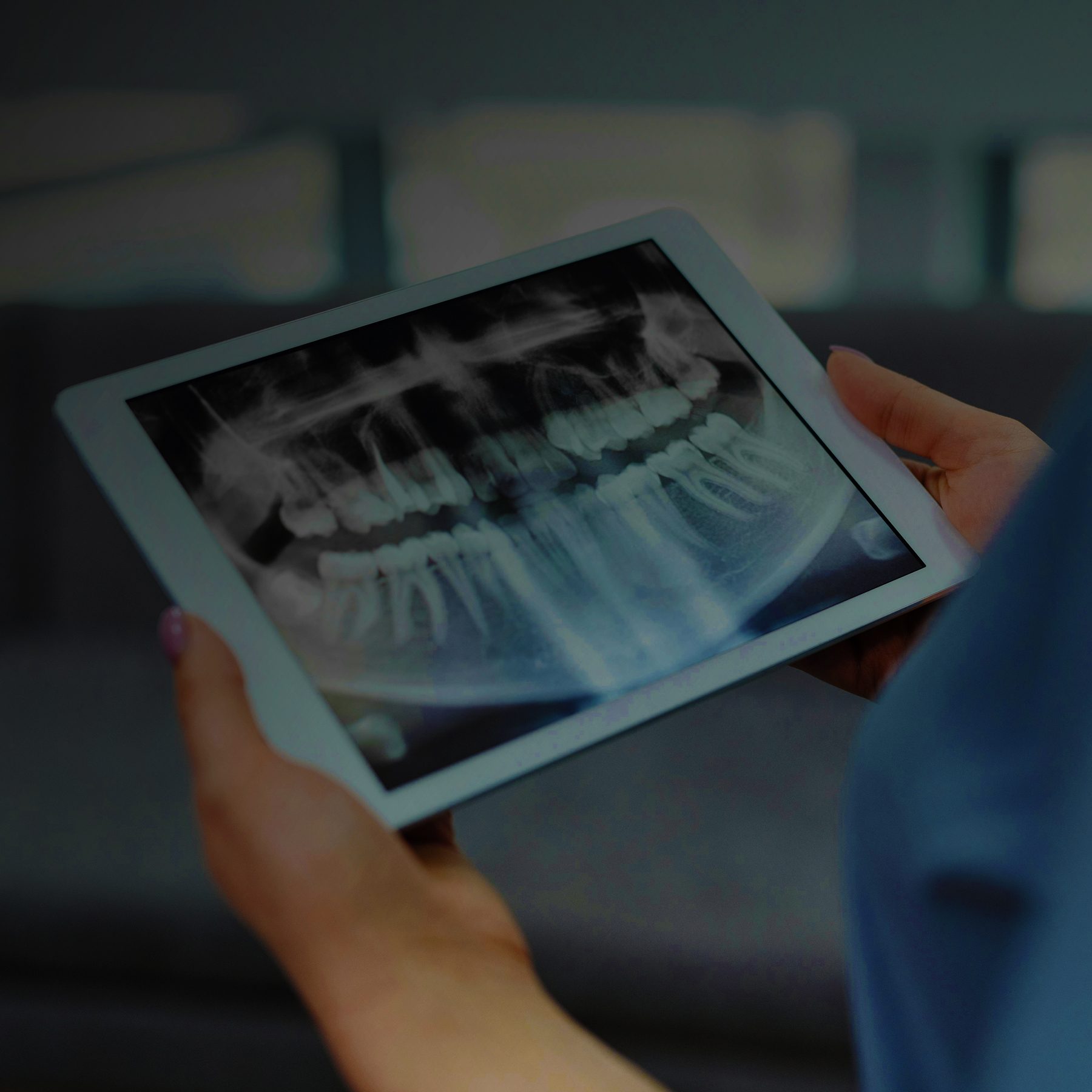
Next comes the exam. The dentist checks the gums, looks for visible swelling or drainage, taps on the tooth, tests bite pressure, and may perform vitality testing. Dental X-rays are almost always part of the assessment. An X-ray can show deep decay, bone loss around the root, a dark area at the root tip suggesting infection, or a fractured tooth that cannot be saved predictably.
From there, treatment depends on the diagnosis. If the tooth is restorable and the infection is centered inside the pulp, emergency root canal treatment may be the best choice. If the tooth is too damaged, cracked below the gumline, or structurally hopeless, extraction may be the safest path. If there is a gum abscess rather than a pulp infection, drainage and deep cleaning may be more appropriate. The right answer is not the same for every patient.
This is where experience matters. A dentist who regularly treats emergencies can tell when a tooth has a good prognosis and when preserving it will only prolong pain and cost. Patients appreciate honesty at this stage, especially in a high-pressure situation.
Antibiotics help sometimes, but they are not the whole treatment
One of the most common misunderstandings around dental infection is the belief that antibiotics alone will solve it. They usually do not. Antibiotics can support treatment when swelling, spreading infection, fever, or immune concerns are present, but they often cannot fully penetrate a closed-off infected space inside a tooth. If the source remains, the problem commonly returns.
Think of it this way. If a tooth has dead infected tissue inside the root canal system, the bacteria are protected in a place blood flow does not reach well. That means the medication may reduce surrounding inflammation for a while without eliminating the source. Patients feel temporary relief, then the pain resurfaces days or weeks later.
A seasoned Emergency Dentist will decide whether antibiotics are indicated based on signs of spread and patient health status. Some localized dental pain can be treated effectively without antibiotics if the source is removed or drained at the visit. That is good medicine and good antibiotic stewardship.
Patients sometimes feel disappointed when they do not leave with "just a prescription." Yet the dentist is usually doing the more responsible thing by addressing the cause rather than masking it.
Root canal or extraction, how the decision is made
When infection is present, patients usually ask the same question first: "Can the tooth https://maps.app.goo.gl/ufcs4SQzv6DeD5Co7 be saved?" The answer depends on several factors beyond pain alone.
A tooth may be a good candidate for root canal treatment if the root structure is intact, the surrounding bone support is reasonable, and enough tooth remains above the gumline for a strong restoration afterward. Molars are often saved this way, even when they are badly infected, provided the crack pattern is favorable and the tooth can be restored with a crown later.
Extraction becomes more likely when the tooth is split, decayed deeply below the gumline, severely loose from periodontal disease, or repeatedly infected after prior treatment. Wisdom teeth are a separate category. An infected wisdom tooth often creates swelling and gum pain because food and bacteria collect under a gum flap. In those cases, short-term management may calm the area, but removal often prevents repeat emergencies.
This is not always an easy choice. Saving a tooth can preserve chewing function and avoid shifting, but it may involve higher short-term cost and more visits. Removing a tooth can end the infection quickly, but replacing the missing tooth later may require an implant, bridge, or partial denture. In emergency care, good judgment means balancing urgency, prognosis, budget, and long-term function.
What rapid infection treatment usually looks like in practice
The phrase "rapid treatment" can mean different things depending on the tooth and the extent of infection. Sometimes it means same-day pain control and drainage, followed by a root canal visit within a short window. Sometimes it means completing the emergency root canal access immediately to remove pressure from the tooth. Sometimes it means extracting the tooth that day because preserving it would be unrealistic.
A common example involves a lower molar with deep decay and severe percussion pain. The patient has no visible facial swelling but cannot chew and has not slept. In that case, numbing the area, accessing the tooth, removing infected pulp tissue, disinfecting the canals, and placing a temporary seal often brings major relief quickly. Another example is a gum abscess next to a periodontal pocket. There, localized cleaning and drainage may change the patient's pain level dramatically before they leave the office.
Severe swelling can complicate treatment because infected acidic tissue may respond less predictably to local anesthesia. This is one reason earlier care tends to be easier. Waiting until the face is visibly swollen often makes the visit longer and more technically demanding.
What to do before you get to the office
There are sensible ways to manage symptoms for a few hours while you arrange care, and there are choices that make the situation worse. The goal is to reduce irritation, not to improvise treatment.
- call a same-day dental office as early as possible and describe swelling, fever, or drainage clearly
- rinse gently with warm salt water, especially if the gum is irritated or draining
- use over-the-counter pain medicine only as directed on the label, unless your physician has told you otherwise
- avoid placing aspirin directly on the gum, it can burn tissue
- do not apply heat to facial swelling, heat can intensify the spread and discomfort
Cold compresses on the outside of the face can help with comfort during the wait. So can soft foods, hydration, and keeping your head elevated. If the pain seems to lessen after drainage into the mouth, keep in mind that this does not remove the infection source.
Why Los Angeles patients often delay urgent dental care
In a city like Los Angeles, delay has practical causes. Traffic is real. Work schedules are rigid. Childcare can be hard to coordinate. Some people are between insurance plans. Others have had past dental experiences that left them fearful, embarrassed, or distrustful.
Those factors are understandable, but infections do not respect calendars. One thing I have seen repeatedly in urban dental settings is that people minimize oral pain because they have become used to functioning despite discomfort. They are not ignoring the problem out of carelessness. They are trying to get through a demanding week. Then the infection tips from manageable to disruptive overnight.
That is why availability matters. A well-run emergency office should have a process for triaging urgent calls, identifying red flags, and moving true infections into the schedule quickly. It should also explain fees and likely next steps clearly, because uncertainty about cost causes many people to wait longer than they should.
Pain control is part of treatment, but not the entire goal
Relief matters. Anyone who has experienced dental infection knows it can be consuming, especially at night. The pain may radiate to the ear, temple, or opposite jaw. It can mimic sinus pressure or a migraine. Patients often show up exhausted more than anything else.
Still, the best emergency care looks beyond immediate pain reduction. A numb tooth today can become a larger abscess next week if definitive treatment is postponed. That is why reputable offices talk about the next phase even during the first visit. If a temporary measure is used, the patient should leave knowing exactly what needs to happen next and how soon.
This follow-through is where many emergency situations go off course. Someone gets partial relief, assumes they are "fine now," and delays the recommended root canal, crown, or extraction. By the time they return, the infection may be back, the tooth may be weaker, or the cost may be higher because the condition worsened.
Special concerns for children, older adults, and medically complex patients
Dental infections do not present the same way in every age group. Children may not describe pressure or localized pain clearly. Instead, they become irritable, stop eating on one side, or wake repeatedly at night. Facial swelling in a child deserves prompt assessment because progression can be quick, especially if the source is a primary molar with advanced decay.
Older adults may have more subtle symptoms, particularly if they have reduced sensation, dry mouth from medications, or significant dental work from prior decades. A crowned tooth can become infected at the root without obvious visible decay. Sometimes the first clue is pain on biting or swelling near the gumline.
Patients with diabetes, autoimmune conditions, transplant history, or active cancer treatment need especially timely care. Their infections can behave more aggressively, and healing can be less predictable. In these cases, an Emergency Dentist Los Angeles CA may coordinate with the patient's physician when needed, especially if medication interactions or bleeding risks are a factor.
The cost question patients ask, often after the pain is under control
Emergency dental visits vary in cost because they are diagnosis-driven. A limited exam and X-rays cost far less than same-day root canal treatment or an extraction with infection management. Los Angeles pricing can also differ widely by neighborhood, office type, and whether a specialist is involved.
The practical issue is not just today's fee. It is whether early treatment prevents a more expensive chain of events. Treating a small abscessed tooth before it fractures can mean root canal therapy and a crown. Waiting until that same tooth cracks below the gumline can mean extraction, grafting, and eventual implant replacement, a much larger financial commitment.
Patients deserve transparency here. A professional emergency office should explain what is urgent, what can safely wait, and what each option is likely to cost over time. The cheapest same-day decision is not always the least expensive long-term decision.
Choosing the right emergency dental office in Los Angeles
Not every office that advertises emergency appointments is equally prepared for infection cases. Availability matters, but capability matters more. If you are in pain and searching quickly, look for signs that the office handles urgent diagnostics and treatment in-house rather than simply prescribing medication and rescheduling you later.
A useful office will be able to evaluate swelling, take diagnostic images immediately, provide local anesthesia effectively, and either perform treatment or make a fast referral when specialist care is necessary. Endodontic referral can be ideal for complex root canal cases, but the patient should not be left in limbo if there is active infection and uncontrolled pain.
Good communication is another marker. A strong front desk team asks about swelling, fever, trauma, and current medications. They do not treat every toothache as routine. That initial phone conversation often tells you a lot about how seriously the practice takes emergencies.
After the emergency visit, the real work is consistency
Rapid infection treatment solves the immediate crisis, but long-term stability comes from finishing care. If you receive a temporary filling after emergency root canal access, you need the tooth completed and restored. If a tooth is extracted, the site needs appropriate follow-up, and the conversation about replacement should happen at the right time. If gum disease contributed to the abscess, periodontal treatment becomes part of preventing recurrence.
This is also the moment to deal with the underlying pattern. Many emergency infections come from old failing restorations, untreated decay, nighttime grinding that causes fractures, or long gaps in preventive care. Once the crisis passes, addressing those issues lowers the chance of another weekend emergency.
A patient once described emergency dental care perfectly after a molar abscess was treated. She said the appointment felt like getting out of a tunnel, but the real win was making sure she never had to enter that tunnel again. That is the right mindset.
For anyone dealing with swelling, severe tooth pain, or signs of abscess, speed matters. A skilled Emergency Dentist can often stop the spiral quickly, protect your health, and give you a clear path forward. In a city that makes delay easy, urgent dental infection is one problem that should move to the top of the list.
Simple Dental Vermont
Address: 8914 S Vermont Ave, Los Angeles, CA 90044
Phone number: +13239493000
FAQ About Emergency Dentist Los Angeles CA
What can the ER do for a tooth?
The emergency room can provide temporary symptom relief for a bad tooth, such as prescribing pain medicine or antibiotics, but it cannot fix the actual dental problem.
What is the 3-3-3 rule for tooth infection?
The 3-3-3 rule for a toothache or infection typically means taking three 200 mg ibuprofen tablets (600 mg total) three times a day for no more than three days to control pain and swelling while waiting to see a dentist.
What do you do if you have a dental emergency but no dentist?
If you have a dental emergency and no regular dentist, you should search for an urgent care dental clinic, call local walk-in dental offices, or go to a hospital emergency room if you have severe bleeding, swelling, or trouble breathing.