A Complete Guide to Dental Crowns Los Angeles CA Services
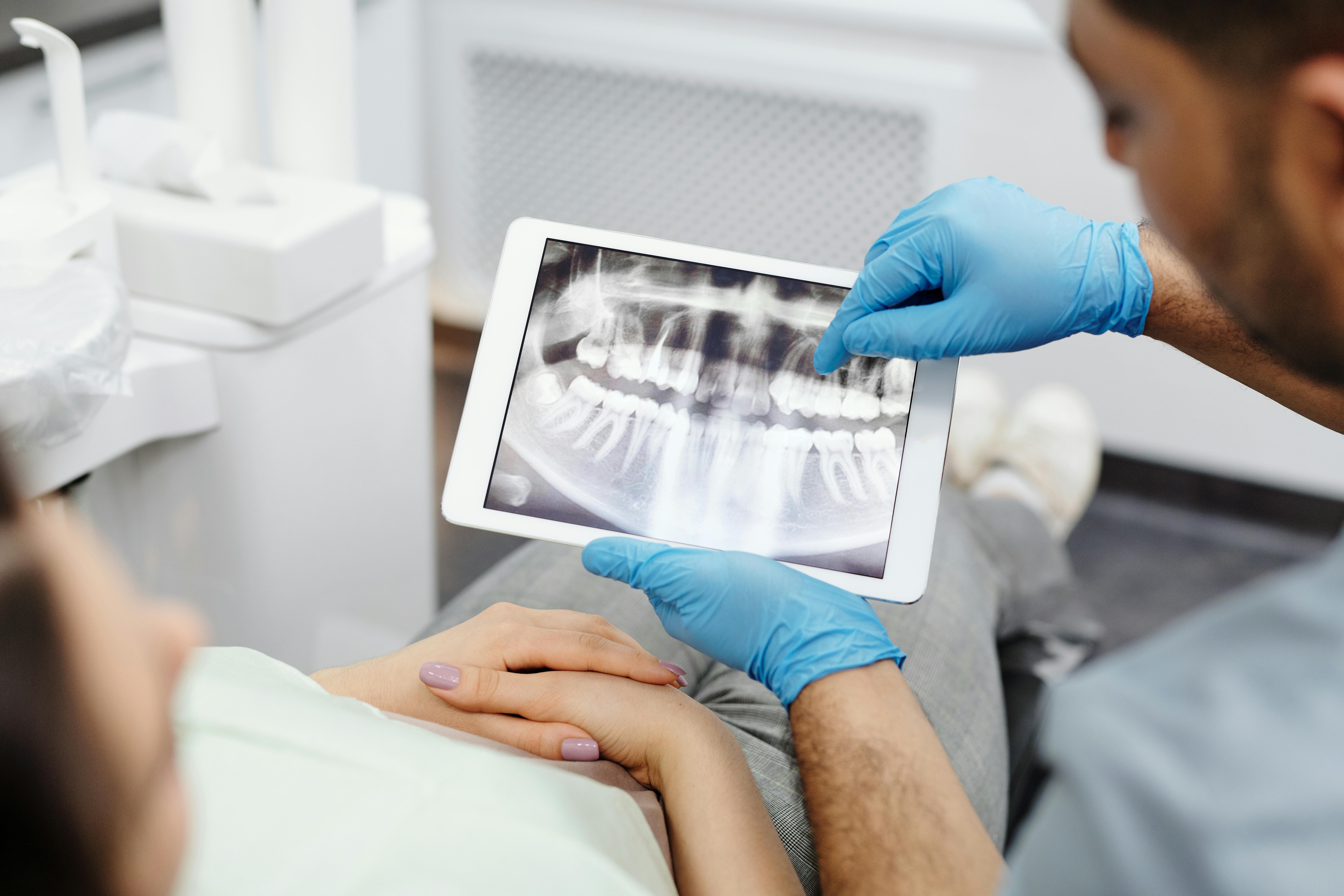
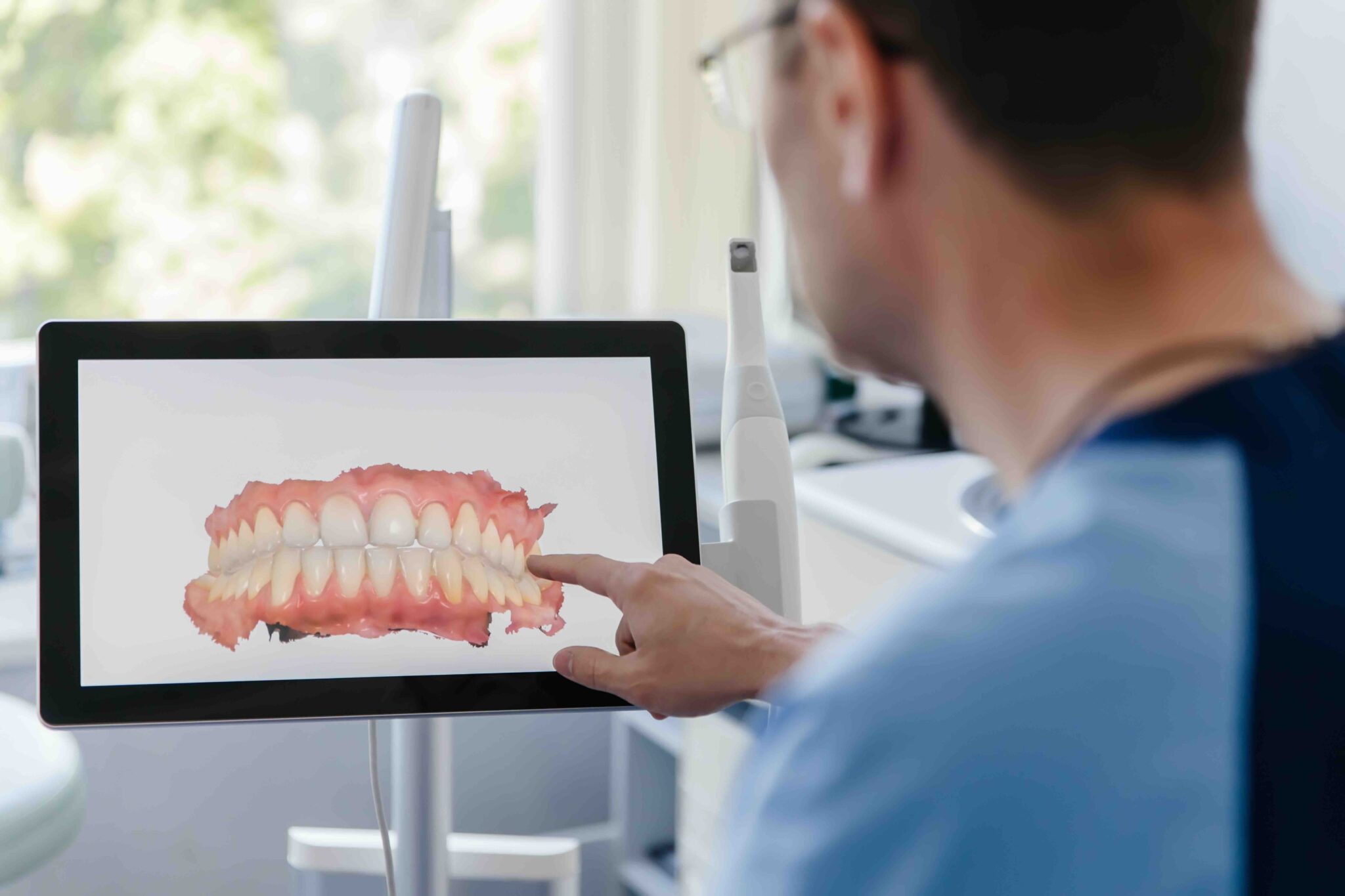

A dental crown sits at the intersection of health, function, and appearance. When done well, it protects a damaged tooth, restores comfortable biting, and blends so naturally that most people forget it is there. When done poorly, it can feel bulky, trap food, irritate the gums, or fracture before its time. That gap between a good result and a frustrating one is why patients in a large, fast-moving market like Los Angeles often have questions. They are not just asking what a crown is. They want to know which material holds up, what the process feels like, how much reshaping is really necessary, and whether the final tooth will look believable under California sunlight and close-up photos.
Dental Crowns Los Angeles CA services cover far more than a simple cap placed on a tooth. In practice, the treatment can range from a straightforward restoration on a back molar to a highly detailed esthetic case on a front tooth where shape, translucency, and gum symmetry matter just as much as strength. The city’s dental landscape reflects that range. Some offices focus on same-day efficiency with in-house milling. Others partner with premium laboratories for layered ceramic work that takes more time but can deliver exceptional esthetics. Patients benefit when they understand the differences before committing.
What a dental crown actually does
A crown is a custom-made covering that fits over a prepared tooth, restoring its shape, strength, and function. Dentists recommend crowns when a tooth has lost too much structure to reliably hold a filling, when a crack threatens further breakage, after a root canal in many situations, or when the tooth’s appearance needs major correction that veneers or bonding cannot predictably achieve.
The easiest way to think about a crown is as a protective shell designed around what remains of the tooth. It is not a magic fix for every problem. If decay extends too far below the gumline, if the root is fractured, or if severe gum disease has weakened support, a crown may not be the right answer. A Dental Crowns Los Angeles CA simpledentalca.com responsible dentist will look at the tooth as part of a whole system that includes the bite, the gums, and the bone.
That matters because crowns fail for reasons that often have little to do with the crown itself. A technically sound crown can still struggle if a patient clenches heavily at night, has untreated decay risk, or cannot clean around the margins consistently. On the other hand, a carefully planned crown can serve for many years, often well over a decade, when the tooth selection, design, and maintenance are all right.
Why people seek crowns in Los Angeles
Los Angeles patients tend to arrive with a mix of practical and cosmetic concerns. One person may have cracked a molar on a popcorn kernel during a movie. Another may have an old silver filling that has outlived its usefulness. Someone else may be preparing for a wedding, a film shoot, or a professional rebrand and want a front tooth rebuilt after trauma. It is common to see treatment goals overlap. A patient might say, “I need this tooth to stop hurting, but I also do not want it to look fake.”
That second concern is not superficial. Crown work is visible in conversation, in photographs, and under unforgiving indoor lighting. Los Angeles dental offices are used to serving patients with high esthetic expectations, which can be a real advantage when selecting shade, contour, and surface texture. Good cosmetic judgment is often subtle. A crown that is too bright, too opaque, or too symmetrical can look manufactured even if the fit is excellent.
The city also has a broad cost range. Boutique practices in Beverly Hills or Santa Monica may price differently than offices in the Valley, Koreatown, or the South Bay. Higher fees do not automatically guarantee better treatment, but laboratory quality, technology, appointment time, and clinical experience do affect cost. Patients shopping Dental Crowns Los Angeles CA services should compare more than the price tag.
When a crown makes sense, and when it may not
Dentists usually recommend a crown when a tooth needs full-coverage protection. That often includes large broken-down fillings, teeth that have fractured but are still restorable, and teeth with structural weakness after endodontic treatment. Crowns can also be used on implants and as retainers for certain bridges.
Still, crowns are not always the most conservative route. If a tooth has a small to moderate chip on an edge and the bite is stable, bonding may preserve more natural tooth. If discoloration is the main concern and the tooth structure is healthy, a veneer might be enough. If a crack runs vertically into the root, extraction may be more realistic than repeatedly investing in a compromised tooth.
A clinician with sound judgment does not push every damaged tooth into a crown. They weigh how much healthy structure can be preserved, whether the margin can be cleaned long term, and what the patient is likely to tolerate in terms of maintenance. That balance is especially important in younger patients, because every restorative cycle removes some tooth structure and moves the tooth further along the treatment ladder.
The materials most patients will hear about
Crown material is one of the first subjects that comes up in a consultation, and with good reason. It influences appearance, strength, wear on opposing teeth, and cost. The most commonly discussed choices in modern practice are all-ceramic materials such as zirconia or lithium disilicate, porcelain fused to metal, and metal-based crowns in select back-tooth situations.
Zirconia has become very popular because it is strong and versatile. For molars and heavy chewers, it often performs well. Earlier versions could look somewhat opaque, but newer multilayer zirconia materials have improved esthetics considerably. Even so, when a front tooth demands the highest translucency and lifelike depth, many dentists still prefer a carefully selected glass-ceramic or a layered ceramic approach.
Lithium disilicate is widely appreciated for its esthetics. It can look very natural, especially in the front of the mouth, and it has enough strength for many single-tooth restorations when case selection is appropriate. It is not the universal answer. In a patient with severe grinding, limited space, or certain bite patterns, a stronger option may be safer.
Porcelain fused to metal crowns remain serviceable and, in some situations, sensible. They have a long track record. Their drawback is mostly cosmetic. Over time, a dark line may become visible near the gum margin, especially if the gums recede. For patients who smile broadly or have thin gum tissue, that can be a deal-breaker.
Gold and other high-noble metal crowns are less common than they once were, but many experienced dentists still respect them for back teeth. They can fit beautifully, wear kindly against opposing enamel, and last a long time. The obvious limitation is appearance. In Los Angeles, where esthetics drive many decisions, most patients decline visible metal unless the crown sits far back and function is the only priority.
The consultation matters more than many people realize
The first appointment should not feel like a sales script. A good crown consultation includes an exam, x-rays when needed, and a frank discussion of the tooth’s condition. If a tooth has a crack, the dentist should explain where the crack appears to stop, what signs suggest deeper involvement, and what uncertainty remains. Dentistry often involves probabilities, not guarantees.
Patients benefit from asking practical questions. Will the tooth need a buildup? Is there enough healthy tooth above the gumline to retain a crown? How likely is root canal treatment now, or later? Will the bite need adjustment on surrounding teeth? Is the goal purely functional, or are there esthetic design decisions to make first?
For front teeth, it helps when the dentist pays attention to neighboring teeth rather than just the damaged one. Natural teeth have slight asymmetries, subtle surface texture, and changes in translucency from the gumline to the edge. Matching that requires more than selecting a color tab. It takes observation. In a city where many patients have whitening history, previous cosmetic work, or demanding camera-facing jobs, that extra care matters.
What the crown process usually looks like
For a traditional crown, treatment often takes two visits. At the first appointment, the dentist numbs the area, removes decay or old restorative material, shapes the tooth, and scans or takes an impression. If much of the tooth is missing, a core buildup may be placed to create a solid foundation. The office then makes a temporary crown to protect the tooth while the final restoration is fabricated.
Temporaries deserve more respect than they get. A poorly made temporary can leak, shift the gums, irritate the bite, or mislead the laboratory about final shape. A good temporary gives both dentist and patient useful information. If the length feels awkward, if floss shreds, or if speech changes around a front tooth, those issues can be corrected before the permanent crown is cemented.
At the delivery visit, the dentist checks the fit, contact with adjacent teeth, margin integrity, shade, and bite. This stage should not be rushed. It is the moment to catch a crown that feels too tight to floss, too high when chewing, or too square compared with neighboring teeth. Once bonded or cemented, adjustments remain possible, but major changes become harder.
Some Los Angeles practices offer same-day crowns using digital design and in-office milling. For the right case, this can be excellent. Patients save time, avoid wearing a temporary for a week or two, and leave with a finished restoration. The trade-off is that same-day efficiency does not automatically match the artistry of a top-tier laboratory for every esthetic case. On a back molar, same-day treatment is often a convenient choice. On a single central incisor, many dentists still prefer the flexibility of a skilled ceramist and an extra layer of quality control.
What a good crown should feel like
A successful crown should not announce itself every time you chew. It should fit into the bite without hitting first. Floss should pass with light resistance, not snap down with painful force and not slide through as if there were no contact at all. The gum around it should look calm, not puffy or chronically red. If the crown is on a visible tooth, it should harmonize with the smile rather than stand apart from it.
One of the most common post-cementation complaints is a bite that feels “a little high.” Even a small discrepancy can make a crown feel intrusive, especially on a molar. Patients sometimes describe the sensation as if the tooth reaches the floor first when they close. That is worth addressing early. A simple adjustment may solve it. Left alone, a high bite can cause soreness, jaw fatigue, or even crack porcelain over time.
Another common issue is temperature sensitivity after placement. Mild sensitivity can happen for a short period, particularly if the tooth was heavily restored before treatment. Persistent pain, spontaneous throbbing, or pain when biting and releasing deserves a recheck. Those symptoms can point to bite trauma, a crack, cement irritation, or pulpal inflammation.
A few signs that deserve a closer look
- Pain when biting that does not improve after the first week
- A crown that catches floss or leaves the gum chronically sore
- Sensitivity that worsens rather than settles
- Food trapping between the crown and neighboring tooth
- A visible dark margin or recession that affects appearance
These concerns do not always mean the crown has failed, but they are good reasons to return promptly. Small corrections are easier early than after months of irritation.
Cost expectations in Los Angeles
Fees for Dental Crowns Los Angeles CA services vary widely. Location, the dentist’s experience, the complexity of the tooth, material choice, laboratory quality, and whether additional treatment is needed all play a role. A straightforward posterior crown in a general practice may fall into a different range than a front-tooth esthetic crown in a high-end cosmetic office. If a tooth also needs a buildup, root canal treatment, gum contouring, or replacement of old decay extending below the gumline, the final investment rises.
Patients often focus on the crown fee alone, but the better question is what is included. Does the quoted amount cover the temporary, the final cementation, necessary x-rays, and follow-up adjustments? If the office uses a premium lab for shade layering on front teeth, that should be part of the conversation. If insurance is involved, ask whether the plan pays based on a downgraded metal allowance even when a ceramic crown is chosen. That detail surprises people all the time.
The least expensive option can become the costliest if it fails early or creates problems that require retreatment. At the same time, the highest fee is not proof of superior care. Patients should look for transparency, clear rationale, and evidence that the dentist is planning around both function and appearance.
Choosing the right dentist for crown work
A crown is common dentistry, but common does not mean simple. Skill shows up in preparation design, margin placement, tissue management, bite analysis, and communication with the lab. In esthetic areas, it also shows up in restraint. Teeth that look beautiful on social media can look odd in daily life if they are too white, too flat, or too bulky.
When evaluating an office, it helps to notice how the team talks about outcomes. Do they discuss risks openly? Do they explain why one material suits your bite better than another? Are before-and-after photos consistent and believable? Are they willing to tell you when a crown is not the best treatment?
One practical clue is how carefully the office handles records. Good photography, digital scans, bite registration, and shade documentation are not glamorous topics, but they often separate average work from excellent work. The details support the result.
Another clue is whether the dentist thinks beyond the single tooth. If a crown breaks repeatedly, an experienced clinician does not simply replace it and hope for the best. They investigate grinding habits, bite interferences, acid erosion, and structural design. Durable dentistry usually comes from solving the underlying problem, not just repairing the latest symptom.
Crowns on front teeth need a different level of planning
Front crowns deserve special attention because the eye is ruthless. People notice subtle mismatches in shape and light reflection even when they cannot explain what looks off. A crown on a central incisor sits at the center of the smile, which makes every contour decision visible.
This is where provisional crowns can become a design tool rather than just a placeholder. If the temporary looks good in photos, supports the gum tissue well, and feels natural in speech, it gives the dentist and lab a strong blueprint for the final piece. If something feels off, perhaps the tooth looks too long or the edge catches the lip, those issues can be refined before the definitive crown is made.
Patients with a high smile line, thin gums, or one darkened tooth under the crown require especially careful planning. Sometimes internal discoloration or a metal post beneath the surface can affect how the final crown reads in light. Masking that while keeping the restoration lively and natural is a technical challenge. It is solvable, but it benefits from honest expectations and a dentist who has handled nuanced esthetic cases before.
How long crowns last in real life
Crowns can last many years, but lifespan is not a fixed number. Some serve fifteen years or more. Others fail sooner because the tooth decays at the margin, the porcelain chips, the cement washes out, or the root develops a problem unrelated to the crown itself.
In practice, longevity depends on a handful of variables working together. Oral hygiene matters. Bite forces matter. Material selection matters. So does how much natural tooth remained at the start. A molar crowned after years of patchwork fillings is not the same as a minimally restored premolar that needed coverage after a clean fracture.
Patients who grind should take night guards seriously. It is one of the simplest ways to protect the investment. I have seen beautiful ceramic work damaged not because the crown was weak, but because the patient clenched through it nightly with no protection. The wear pattern on the opposing teeth often tells the story before the patient does.
Caring for a crowned tooth
A crown still needs brushing, flossing, and routine exams because the tooth underneath remains vulnerable where the crown meets the natural structure. Decay does not care that a restoration was expensive. It starts where plaque sits undisturbed.
Cleaning should be gentle but thorough around the gumline. If the area bleeds regularly, that is information, not just annoyance. Bleeding can signal plaque retention, a contour issue, or inflammation that needs attention. For crowns with implant support, home care changes slightly because the biologic attachment is different, but the need for consistent cleaning is even more important.
Patients also do well when they treat crowns with common sense. Ice chewing, package opening, and stress habits such as pen biting increase the chance of fracture. Most people do not need to baby a crown, but they should respect it.
Questions worth asking before you say yes
- What material do you recommend for this specific tooth, and why?
- Is the tooth structurally strong enough for a crown, or are there warning signs?
- Will I need a buildup, root canal treatment, or a night guard?
- Are you planning a same-day crown or a lab-fabricated crown?
- What should I expect if the tooth remains sensitive after treatment?
These questions keep the discussion focused on fit, longevity, and judgment rather than just speed and price.
Special situations patients often overlook
Crowns placed on teeth with existing cracks require careful expectation setting. Even if the crown binds the tooth together and relieves symptoms, some cracked teeth later need root canal treatment. That does not always mean the crown failed. It may mean the pulp was already compromised.
Gum recession is another issue that can change how a crown looks over time. A margin that looked invisible on day one may become more noticeable if the tissue recedes. Patients with thin tissue or aggressive brushing habits should know that esthetic stability depends partly on gum behavior, not just the crown itself.
Then there is the matter of adjacent dental work. A single crown may look different if neighboring teeth are old composites, heavily worn enamel, or recently whitened surfaces. Sometimes the smartest plan is to sequence treatment, crown first, whitening first, or replace surrounding restorations afterward, depending on the esthetic goal.
The takeaway for Los Angeles patients
Finding the right provider for Dental Crowns Los Angeles CA services comes down to more than convenience. A crown should protect the tooth, suit the bite, respect the gums, and look appropriate for the person wearing it. That requires material knowledge, technical precision, and a clear understanding of what matters most to the patient.
Los Angeles offers every version of crown dentistry, from efficient same-day treatment to highly customized cosmetic work with advanced laboratory support. The best choice depends on the tooth, the bite, the visibility of the area, and the patient’s expectations. When those pieces line up, a crown can feel almost uneventful, which is exactly the point. It does its job quietly, day after day, while letting you eat, speak, and smile without thinking about the tooth at all.
Simple Dental Vermont
Address: 8914 S Vermont Ave, Los Angeles, CA 90044
Phone number: +13239493000
FAQ About Dental Crowns Los Angeles CA
How much do crowns cost per tooth?
In the United States, a single dental crown typically costs between $800 and $2,500 per tooth without insurance. The ultimate out-of-pocket price depends heavily on the crown material, the location of the tooth, and whether you have dental insurance coverage.
What is the downside of crowns on teeth?
The primary downside of a dental crown is that the procedure permanently removes natural tooth enamel to shape the tooth for the cap.
Why do dentists push for crowns?
Dentists recommend crowns because a large filling cannot provide enough strength when a tooth loses a major portion of its structure or faces heavy chewing pressure.